
Your family stays warm through Long Island winters without worrying about the next breakdown. That’s what matters when your boiler actually works the way it should.
Most homes in Williston Park were built between the 1920s and 1940s. Your boiler system is working harder than newer ones, especially during January and February when temperatures drop into the teens. A properly repaired boiler keeps your pipes from freezing, your energy bills predictable, and your mornings comfortable.
You’re not dealing with emergency calls at 2 AM because something failed again. You’re not paying $600 for a rushed repair that could’ve cost $200 if you’d caught it earlier. You’re getting 10-15% better efficiency on your heating bills because everything’s running clean and calibrated. That’s $200-300 back in your pocket every winter, and your boiler lasts 15-20 years instead of dying at 10.
We’re a family-operated company that’s been serving Nassau County homeowners for over three decades. We know Williston Park’s housing stock—the Dutch colonials near the village center, the post-war homes around the LIRR station, and the older systems that need someone who actually understands how they work.
You’re not getting a corporate call center or a technician who’s guessing. You’re working with licensed professionals who’ve seen every boiler problem Long Island winters can create. We show up when we say we will, we explain what’s wrong in plain terms, and we fix it right the first time.
You call us with a heating problem. We ask a few questions to understand what’s happening—no heat at all, strange noises, leaking water, or inconsistent temperatures. If it’s an emergency, we’re there the same day. If it’s something you’ve noticed but isn’t critical yet, we schedule a time that works for you.
Our technician arrives and runs a full diagnostic. We’re checking your burner assembly, heat exchanger, circulator pump, pressure levels, thermostat connection, and safety controls. We test for carbon monoxide, inspect your flue pipe, and look at combustion efficiency. You get a clear explanation of what’s broken, what it’ll cost to fix, and how long the repair will take.
Once you approve the work, we handle the repair using quality parts that last. We test the system before we leave to make sure everything’s running safely and efficiently. You get a detailed invoice showing exactly what we did, and your heat works again.
Ready to get started?
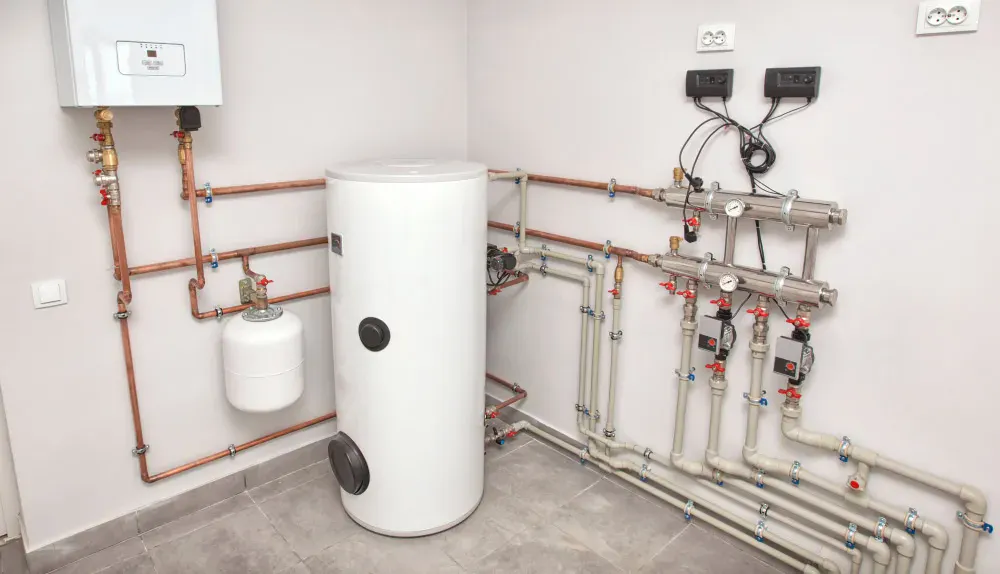
You get a complete system diagnostic, not just a quick fix for the obvious problem. We’re looking at the whole system because one failing component usually stresses others. That means checking your expansion tank, pressure relief valve, zone valves, and all electrical connections.
Williston Park homes average 85+ years old. Your boiler is likely working with original cast iron radiators or baseboard systems that need specific pressure and temperature settings. We calibrate everything to match your home’s heating distribution, so you’re not overheating the first floor while the second floor stays cold.
We handle gas boiler repair in Williston Park, NY and oil systems. We work on traditional cast iron boilers, modern high-efficiency condensing units, and everything in between. If your system uses a tankless coil for hot water, we’re checking that too. You’re getting a licensed boiler repair technician who knows the code requirements and safety standards for Nassau County.
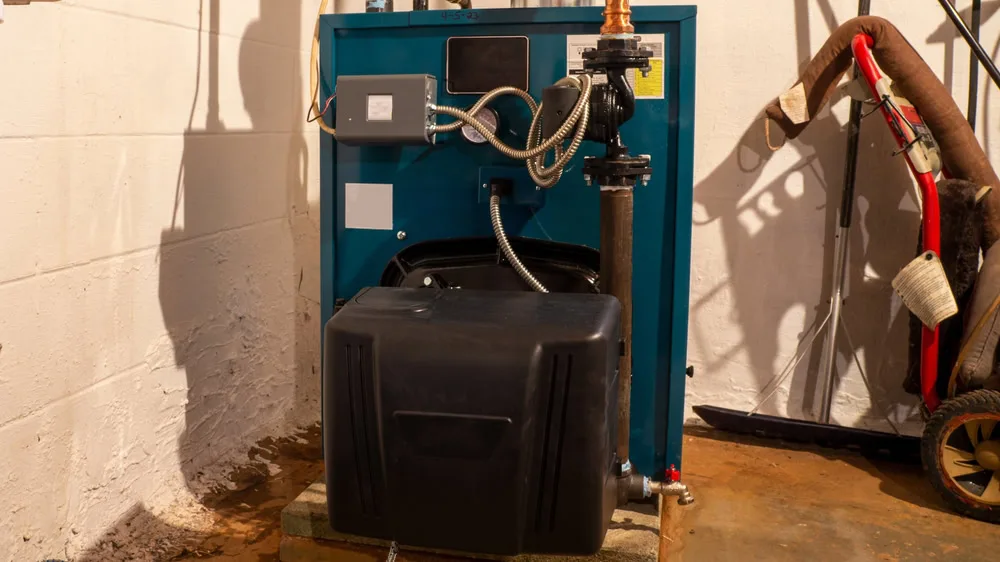
Most boiler repairs in Williston Park, NY run between $300 and $800 depending on what’s broken. Simple fixes like replacing a circulator pump or pressure relief valve cost $300-450. More involved repairs like a gas valve replacement or control board run $500-800.
Emergency repairs cost more—usually 50-100% more than scheduled service. If your boiler dies on a Sunday night in January, you’re paying emergency rates because you need heat immediately. That’s why catching problems early during a maintenance visit saves you money.
If your boiler needs a heat exchanger or the repair estimate is pushing $2,000+, replacement might make more sense. Most boilers last 15-20 years with proper care. If yours is 18 years old and needs major work, you’re better off investing in a new high-efficiency system that’ll cut your heating bills by 20-30%.
Circulator pump failures are the most common issue we see. The pump moves hot water through your radiators or baseboard heaters. When it fails, your boiler runs but you get no heat. You’ll hear the burner firing, but nothing’s moving through the system.
Pressure problems come next. Your boiler needs to maintain 12-15 PSI when cold and 18-22 PSI when hot. If pressure drops too low, the system shuts down as a safety measure. This usually means a leak somewhere in your piping, a failing expansion tank, or a pressure relief valve that’s weeping. We find the source and fix it.
Older homes in Williston Park often have sediment buildup in the heat exchanger. Your water quality affects this—Long Island water is moderately hard. Over time, minerals accumulate and reduce heat transfer efficiency. You’ll notice your boiler running longer to reach temperature and higher gas bills. A professional cleaning and flush fixes it, and you should do this every 3-5 years.
We offer same-day emergency boiler repair in Williston Park, NY when you have no heat. During winter months, we prioritize no-heat calls because frozen pipes can burst and cause thousands in water damage within hours.
Call us before 2 PM on a weekday, and we’re usually there within 3-4 hours. After hours and weekends take a bit longer—typically 4-6 hours—because we’re coordinating our on-call technician. We’re available 24/7 including holidays because boilers don’t care what day it is.
If your situation isn’t an emergency—maybe your heat works but you’re hearing strange noises or noticing higher bills—we’ll schedule a standard service call. You’ll get a lower rate and we can spend more time doing a thorough diagnostic instead of rushing a repair. Most non-emergency issues can wait a day or two without risk.
Age is the biggest factor. If your boiler is under 10 years old, repair almost always makes sense unless you’re looking at a cracked heat exchanger. If it’s 15-20 years old, you need to weigh the repair cost against replacement.
Here’s a useful rule: multiply your boiler’s age by the repair estimate. If that number exceeds $5,000, replace it. So if you have a 16-year-old boiler and you’re looking at a $400 repair, that’s $6,400—replacement makes more sense. If it’s a $200 repair, that’s $3,200—fix it.
New high-efficiency boilers (95%+ AFUE) can cut your heating costs by 20-30% compared to older 80% efficiency models. For a Williston Park home spending $2,400 annually on heating, that’s $500-700 in savings every year. A new boiler costs $8,000-12,000 installed, so you’re looking at a 12-15 year payback just on energy savings—plus you get reliability and warranty coverage.
Yes. We diagnose the problem first, then give you a clear estimate before we start any repair work. You’ll know exactly what’s wrong, what it costs to fix, and how long the repair takes. No surprises on the bill.
Our diagnostic fee is $125 for standard service calls. If you approve the repair, that fee applies toward the total cost. If you decide not to move forward, you’re only paying for the diagnostic. This keeps everything transparent and lets you make an informed decision.
Some companies quote low prices over the phone to get in your door, then hit you with add-ons and “unexpected” problems. We don’t work that way. The estimate we give you after diagnosing your system is the price you pay unless we find something else wrong and you approve additional work. Most boiler repairs in Williston Park, NY are straightforward—we’ve seen these problems hundreds of times and we know what they cost to fix.
Annual maintenance is the minimum. Schedule it in late summer or early fall before heating season starts. We’re cleaning the heat exchanger, testing all safety controls, checking combustion efficiency, inspecting the flue pipe, and making sure your circulator pump and zone valves work properly.
You should also check your boiler pressure monthly during winter. It should read 12-15 PSI when the system is cold. If it’s dropping below 10 PSI regularly, you have a leak or your expansion tank is failing. Catching this early prevents a no-heat emergency.
Bleed your radiators at the start of each heating season if you have a hot water radiator system. Air gets trapped in the lines over summer and prevents proper heat distribution. You’ll hear gurgling sounds and notice cold spots on radiators. Bleeding takes 10 minutes and solves the problem. If you’re not comfortable doing this yourself, we handle it during your annual maintenance visit.