
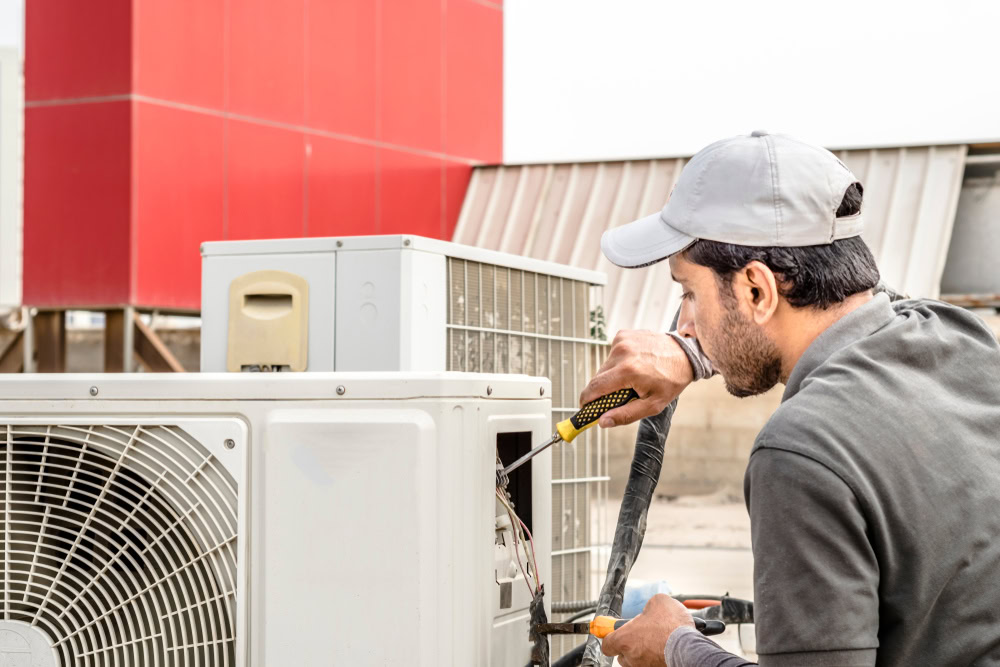

You know something’s wrong when your energy bill climbs but your home stays warm. Maybe the air feels weak coming from the vents, or certain rooms never cool down no matter how low you set the thermostat. That’s your system telling you it’s working too hard.
When AC repair is done correctly in Queens Village, your home gets comfortable again without that constant hum of a struggling unit. The humidity drops. The sticky feeling goes away. Your system runs quieter and uses less power because it’s not fighting itself anymore.
Most repairs catch the problem before it becomes a full breakdown. That means you’re back to normal in hours, not days—and you’re not replacing an entire system because a small issue got ignored too long.
We’ve been keeping Queens Village homes comfortable for years. We’re the crew you call when your AC acts up at the worst possible time—because we know what Long Island summers do to cooling systems.
Our technicians are licensed, background-checked, and trained on the brands you actually have in your home. We’re not here to upsell you on equipment you don’t need. We fix what’s broken, explain what we found, and give you straight answers about what it’ll cost before we start.
Queens Village is our neighborhood too. We understand the housing stock here, the humidity challenges, and what it takes to keep older and newer systems running efficiently in this climate.
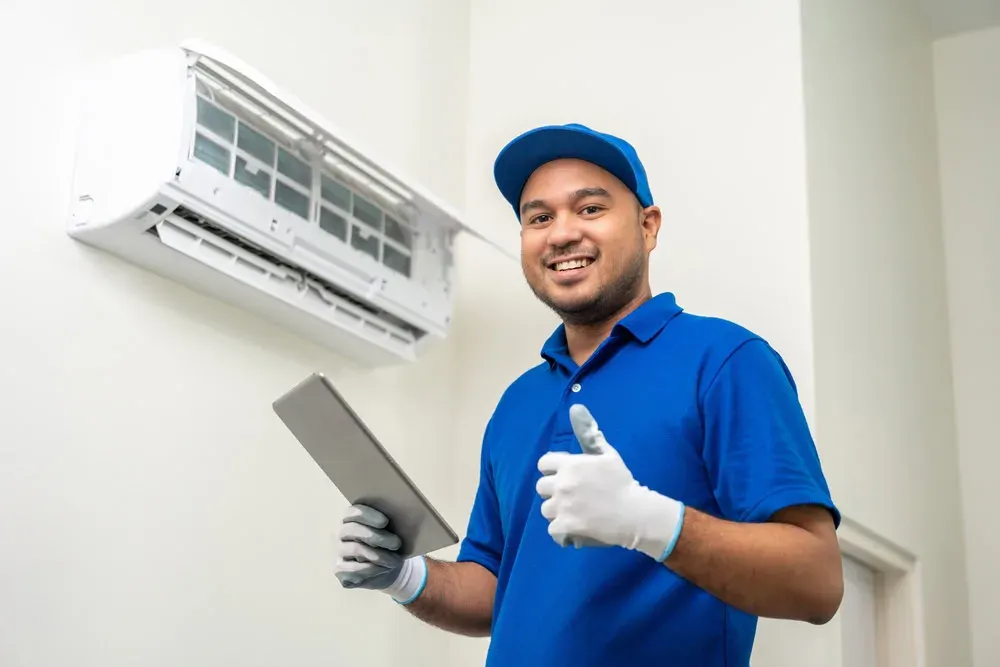
You reach out, describe what’s happening, and we schedule a time that works for you. If it’s an emergency, we move faster—24/7 availability means you’re not stuck waiting until Monday morning.
When we arrive, we run a full system check. That includes airflow, refrigerant levels, electrical connections, and the condition of your coils and filters. We’re looking for the root cause, not just the symptom. If your AC is freezing up, we find out why—whether it’s a refrigerant leak, a clogged filter, or a failing blower motor.
Once we identify the issue, we walk you through what needs to happen and what it costs. No surprises. If you approve the work, we handle the repair on the spot whenever possible. Before we leave, we test the system to make sure it’s running the way it should. You get a warranty on the work, and you can call us back if anything feels off.
Ready to get started?
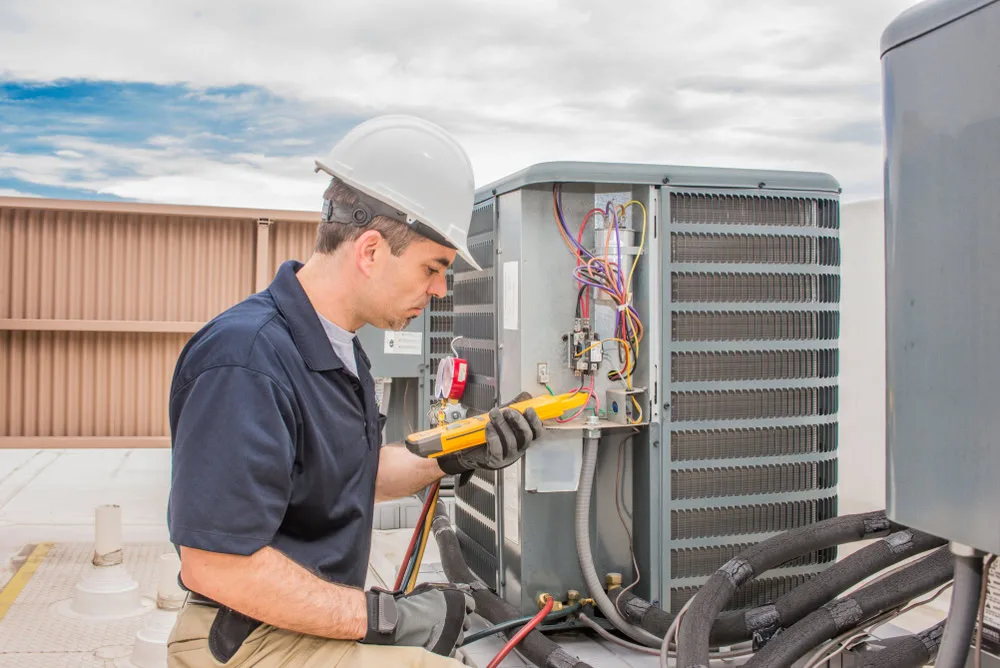
Every service call starts with a complete system diagnostic. We check refrigerant levels, inspect electrical components, test airflow, examine the condenser and evaporator coils, and review your thermostat settings. This isn’t a quick glance—it’s a methodical process to find what’s actually wrong.
In Queens Village, humidity is a major factor in AC performance. When systems can’t manage moisture properly, your home feels uncomfortable even when the temperature is technically fine. We address airflow issues, drainage problems, and coil conditions that directly impact humidity control.
Common repairs include fixing refrigerant leaks, replacing failed capacitors or contactors, cleaning or replacing coils, addressing frozen evaporator coils, repairing or replacing blower motors, and fixing drainage issues that cause water leaks. We work on all major brands—Trane, Carrier, Lennox, Rheem, and others—and we stock parts for the most common repairs.
You also get transparent pricing before work begins, a warranty on parts and labor, and follow-up support if you have questions after we leave. If your system is older and repair costs are climbing, we’ll tell you honestly when replacement makes more sense than another fix.
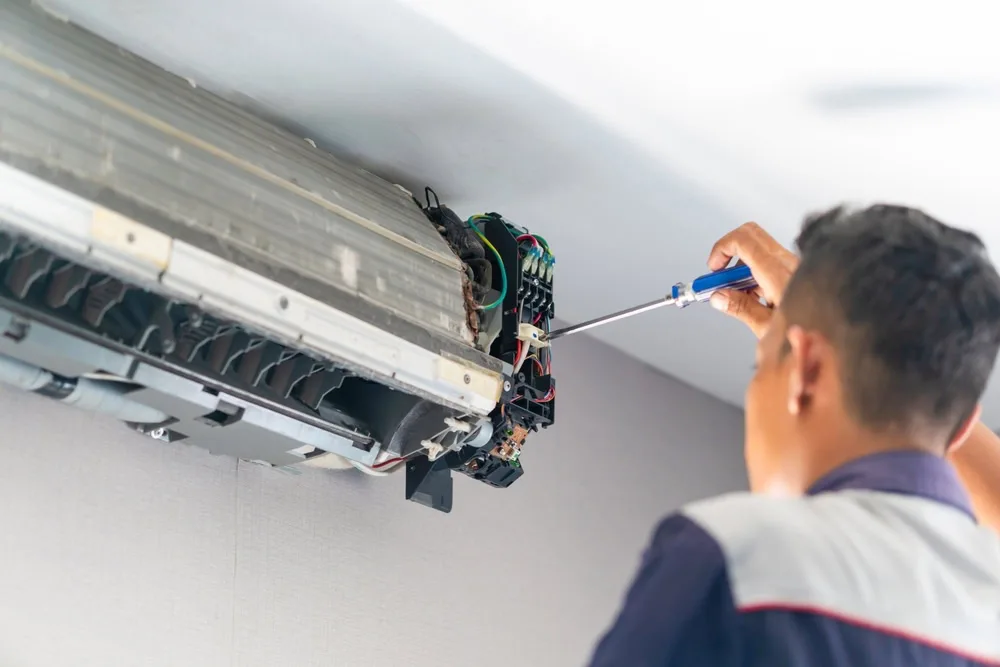
Most AC repairs in Queens Village run between $200 and $600, depending on what’s broken. Simple fixes like replacing a capacitor or cleaning coils fall on the lower end. Refrigerant leaks, compressor issues, or blower motor replacements cost more—sometimes up to $1,500 for major component failures.
The average repair sits around $350 nationally, and that tracks locally too. But the real cost depends on your system’s age, the brand, and how long the problem’s been happening. Catching issues early—like weak airflow or strange noises—usually means cheaper fixes than waiting until the system stops working entirely.
We give you an upfront estimate after diagnosing the problem. No work starts until you approve the price. If the repair cost approaches what a new system would cost, we’ll tell you that too—because sometimes replacement is the smarter financial move.
Weak airflow is usually the first sign. If some rooms stay warm or the air coming from vents feels barely there, your system isn’t moving air like it should. That points to blower issues, ductwork problems, or a clogged filter.
Rising energy bills without changing your usage is another red flag. When your AC works harder to produce the same cooling, it burns more electricity. That usually means refrigerant is low, coils are dirty, or a component is failing.
Other signs include strange noises like grinding or squealing, water pooling around your indoor unit, ice forming on the refrigerant lines, or the system cycling on and off constantly. In Queens Village’s humidity, if your home feels sticky even with the AC running, that’s a moisture control problem that needs attention. Any of these issues mean it’s time to call someone before a small problem becomes an expensive breakdown.
Yes. AC emergencies don’t wait for business hours, and neither do we. If your system fails on a Saturday night in July or during a holiday weekend, you can reach us 24/7.
Emergency service means we prioritize your call and get someone to your home as quickly as possible—often same-day, depending on the situation. We carry common parts and tools to handle most repairs on the spot, so you’re not waiting days for a follow-up visit.
Emergency calls do come with a premium compared to scheduled service, but that’s standard across the industry. You’re paying for immediate availability and after-hours response. When your home is 85 degrees at midnight and you have kids or elderly family members, that premium is worth it. We’ll still give you a clear price before starting any work, even in an emergency.
Most repairs take one to three hours once we’re on-site. Simple fixes like replacing a capacitor, cleaning coils, or swapping a contactor can be done in under an hour. More involved work—like fixing a refrigerant leak, replacing a blower motor, or addressing frozen coils—takes longer.
The diagnostic process adds time upfront. We need to test the system, check components, and pinpoint the exact issue before we can fix it. Rushing that step leads to missed problems and repeat visits, which wastes your time and money.
If we need to order a part that’s not in the truck, that extends the timeline. We’ll let you know immediately if that’s the case and get the part as fast as possible—usually next-day for common components. For older or less common systems, it might take a few days. We’ll keep you updated and do everything we can to minimize the wait.
If your system is running inefficiently, yes—repairs can significantly cut your energy costs. When refrigerant is low, coils are dirty, or airflow is restricted, your AC runs longer and works harder to cool your home. That burns extra electricity every single day.
Fixing those issues brings your system back to normal operating efficiency. You’ll notice the difference in how often the unit cycles and how quickly your home cools down. Over a Queens Village summer, that adds up to real savings—sometimes $30 to $100+ per month depending on how bad the problem was.
That said, if your system is old and already inefficient by modern standards, a repair won’t turn it into a high-efficiency unit. It’ll just restore it to how it performed when it was working correctly. If efficiency is a major concern and your system is 12+ years old, we can talk through whether upgrading makes sense for long-term savings. But for newer systems or ones that were efficient before the problem started, repairs absolutely help keep your bills in check.
Yes. We work on all major residential AC brands—Trane, Carrier, Lennox, Rheem, Goodman, York, American Standard, and others. Our technicians are trained across multiple manufacturers and have experience with both newer high-efficiency systems and older units still running in Queens Village homes.
Different brands have different quirks, but the core components—compressors, coils, blowers, capacitors—work on similar principles. We stock parts for the most common brands and can source components for less common ones quickly.
If you have a newer system still under warranty, we can handle warranty repairs as long as we’re working with an authorized parts supplier. We’ll let you know upfront if your warranty is still active and what that means for your repair costs. Whether your system is two years old or twenty, we’ve seen it before and know how to fix it.