Summary:
Why Gas Boiler Maintenance Matters More in Long Island & Queens
Long Island’s coastal climate and Queens’ urban environment create unique challenges for gas boiler systems. Salt air accelerates corrosion, while temperature swings from ocean breezes to urban heat islands stress your equipment more than you might realize.
Your boiler works harder here than in many other climates. Without regular maintenance, efficiency drops by 5-10% each year, turning a once-reliable system into an energy-wasting liability. The average Long Island household spends $400-500 annually on boiler repairs and maintenance, but most of those costs come from problems that proper upkeep could have prevented.
What Happens During Professional Gas Boiler Maintenance
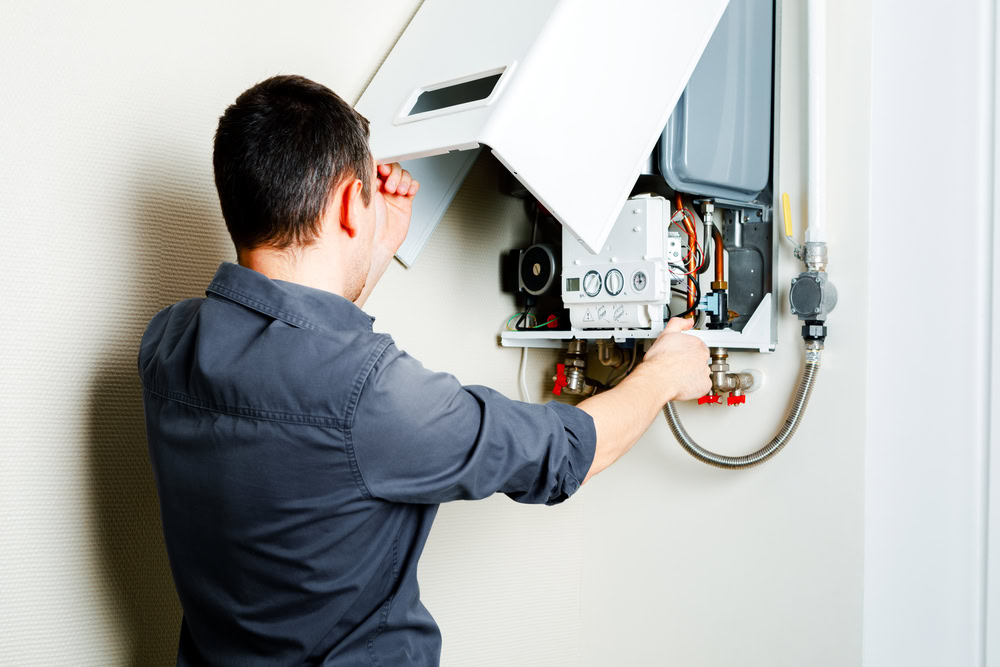
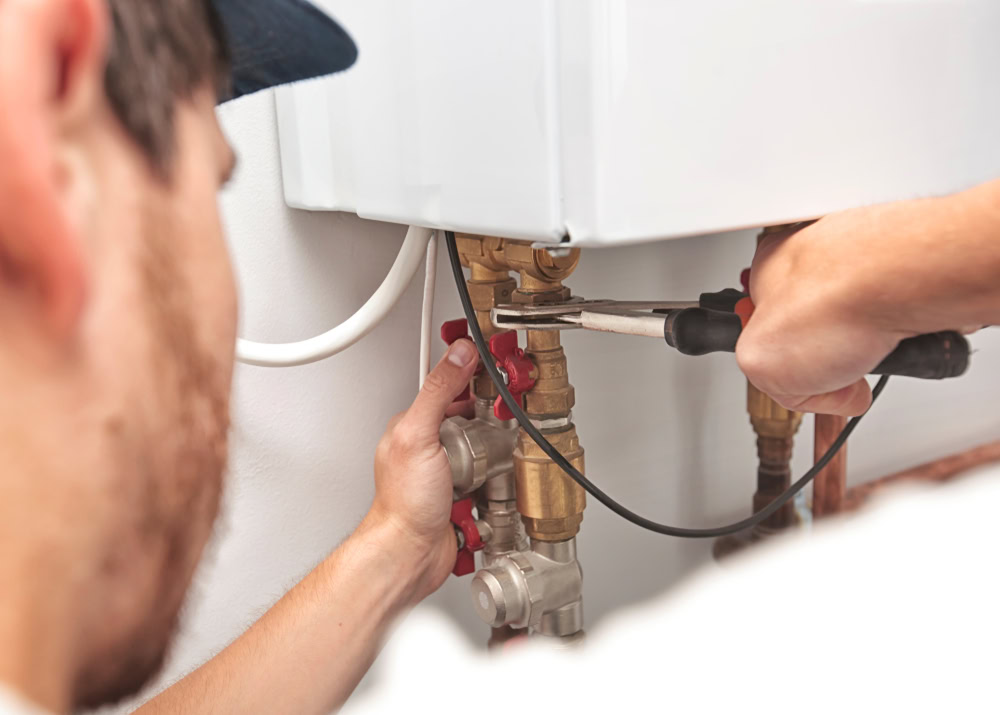
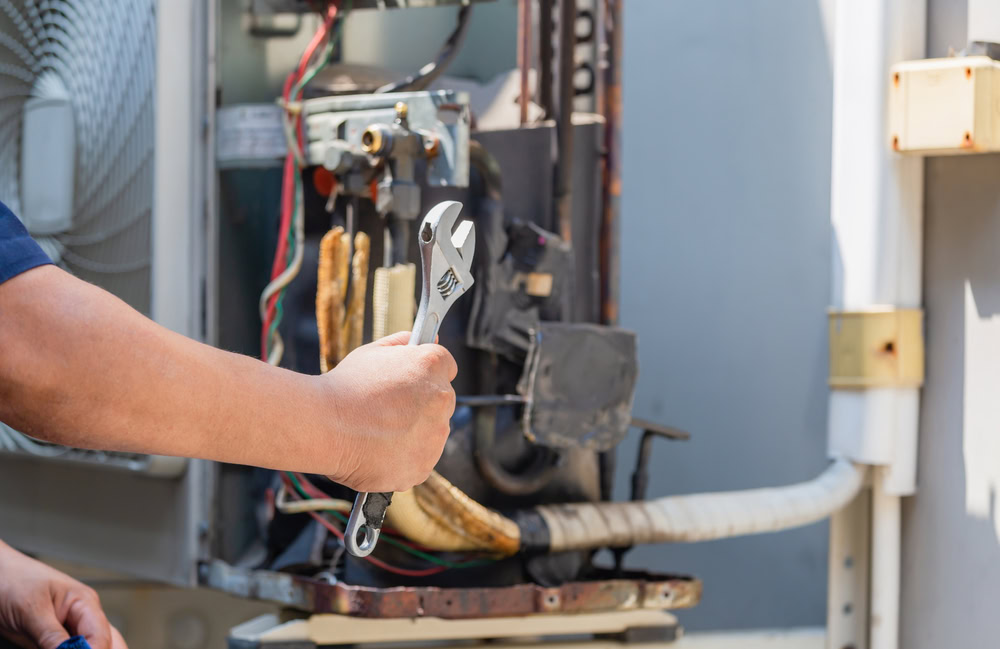
A thorough gas boiler maintenance visit goes far beyond a quick visual check. We start by testing gas pressure with precision instruments, ensuring your system receives the exact fuel mixture for efficient combustion. We clean heat exchangers, removing mineral deposits that force your boiler to work harder and waste energy.
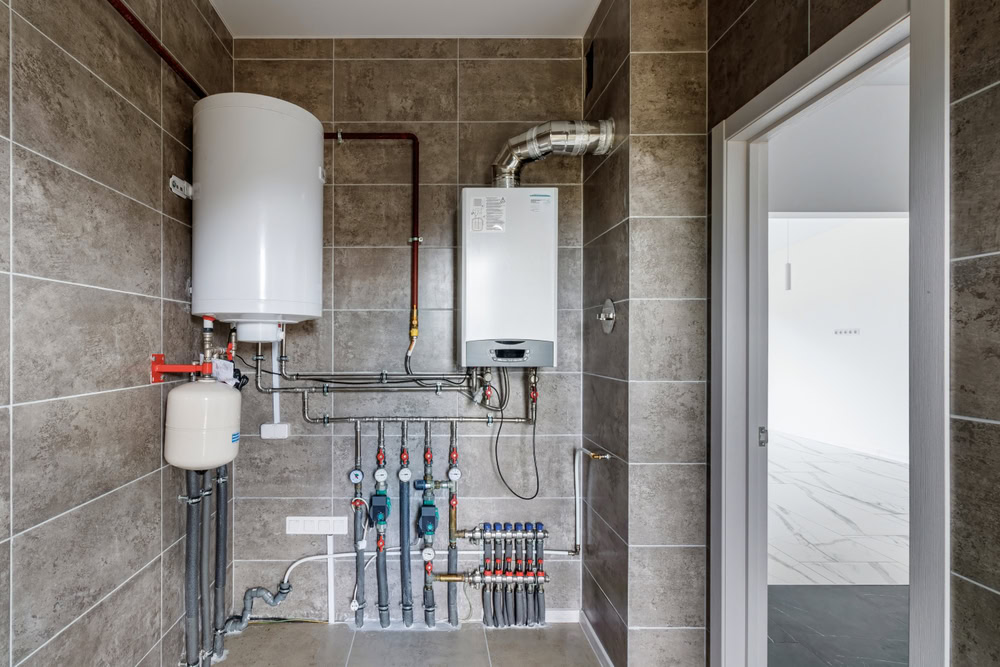
Safety inspections catch potentially dangerous issues before they threaten your family. Carbon monoxide testing, flue pipe inspection, and combustion analysis ensure your system burns cleanly and vents properly. We also examine the circulator pump, expansion tank, and pressure relief valve—components that rarely get attention until they fail completely.
The process includes bleeding radiators, checking thermostat calibration, and testing all safety controls. Modern condensing boilers require additional attention to condensate drains and heat recovery systems. This comprehensive approach typically takes 90 minutes to two hours, depending on your system’s age and complexity.
Most importantly, we document our findings and explain any issues in plain English. You’ll know exactly what needs immediate attention, what can wait, and how to maintain optimal performance between visits.
How Regular Maintenance Saves You Money Year After Year
The numbers tell a clear story about maintenance value. A well-maintained gas boiler operates at 92-98% efficiency, while neglected systems often drop to 70-80% efficiency within just a few years. On Long Island’s high energy costs, that efficiency loss translates to hundreds of extra dollars each heating season.
Regular maintenance extends your boiler’s lifespan significantly. Most gas boilers last 15-20 years with proper care, but neglected systems often need replacement after just 10-12 years. When you consider that a new boiler installation costs $8,000-15,000 in the Long Island market, annual maintenance at $200-400 represents exceptional value.
Emergency repairs cost 3-4 times more than scheduled maintenance. A simple pressure relief valve replacement during routine service costs $150-200, but the same repair during a weekend emergency can exceed $600. Winter breakdowns also mean uncomfortable nights waiting for parts or available technicians.
Energy savings add up quickly too. Homeowners typically see 10-15% reductions in heating bills after professional tune-ups, especially on systems that haven’t received attention in several years. Clean heat exchangers, properly calibrated controls, and optimal combustion settings all contribute to lower monthly costs.
Warning Signs Your Gas Boiler Needs Immediate Attention
Your gas boiler communicates problems long before complete failure, but you need to know what to watch for. Unusual sounds often signal developing issues that maintenance can address before they become expensive repairs.
Rising energy bills despite similar usage patterns indicate declining efficiency. If your heating costs have gradually increased over several seasons, your boiler likely needs professional attention. Inconsistent heating, where some rooms stay cold while others overheat, suggests circulation problems or control issues that maintenance addresses.

Sounds That Signal Boiler Problems
Kettling sounds—resembling a tea kettle boiling—indicate mineral buildup in your heat exchanger. This limescale restricts water flow, causing overheating and dramatically reducing efficiency. Left untreated, kettling can damage expensive components and create safety hazards.
Banging or knocking sounds often mean trapped air in your system or failing circulator pumps. These issues worsen over time and can damage pipes, radiators, and the boiler itself. Gurgling noises typically indicate low water pressure or bleeding needs—simple fixes during maintenance that become complex problems if ignored.
Whistling sounds might seem minor, but they often indicate gas pressure problems or partially blocked vents. Both issues affect combustion efficiency and can create safety concerns. We have instruments to measure gas pressure precisely and ensure proper venting.
Strange rumbling or clicking sounds from the control panel suggest electrical issues or failing safety controls. These components protect your system from dangerous conditions, so any unusual behavior requires immediate professional attention. Don’t attempt to diagnose electrical problems yourself—gas appliances demand professional expertise.
Visual Signs That Demand Professional Service
Water around your boiler indicates leaks that can quickly escalate from minor inconvenience to major property damage. Even small leaks waste energy, reduce system pressure, and often signal failing gaskets or corroded components. Professional assessment determines whether simple repairs can solve the problem or if component replacement is necessary.
Soot or black marks around your boiler suggest incomplete combustion—a serious safety concern. Proper gas combustion produces minimal visible residue, so any discoloration indicates problems with air mixture, venting, or burner adjustment. These issues can produce dangerous carbon monoxide and waste significant energy.
Rust or corrosion on pipes, fittings, or the boiler itself shows that moisture and age are taking their toll. While surface rust might seem cosmetic, it often indicates internal problems that professional inspection can reveal. Corroded components fail unpredictably, usually during peak heating demand.
Yellow or orange flames instead of blue indicate improper gas mixture or dirty burners. Blue flames burn hottest and most efficiently, while yellow flames waste energy and can produce carbon monoxide. This problem requires immediate professional attention—never attempt to adjust gas controls yourself.
Choosing the Right Maintenance Schedule for Long Island Weather
Long Island’s climate demands annual gas boiler maintenance, ideally scheduled for early fall before heating season begins. This timing ensures your system is ready for winter’s first cold snap and allows time to address any issues before emergency situations arise.
Professional maintenance catches problems early, improves efficiency, and ensures safe operation throughout the heating season. The investment in annual service pays for itself through lower energy bills, fewer repairs, and extended equipment life. When you need reliable gas boiler maintenance in Long Island or Queens, contact Excellent Air Conditioning and Heating Service for comprehensive service that keeps your family warm and safe.