Summary:
Why Older Boilers Cost More To Run Each Year
Boilers don’t age gracefully. What starts as a reliable heating system gradually becomes an energy-wasting money pit that hits your wallet harder each winter.
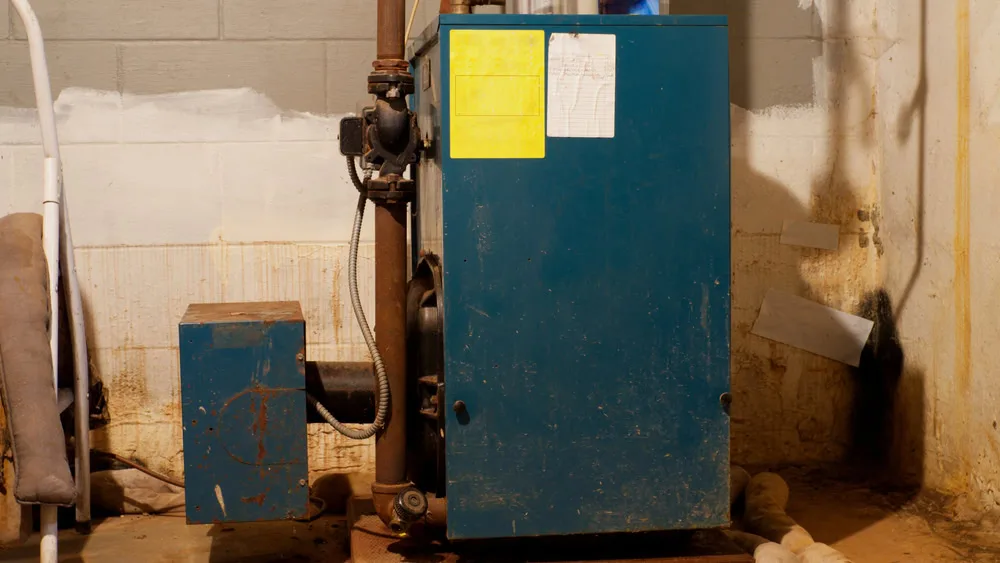
The numbers tell the story clearly. Modern high-efficiency boilers operate at 90-95% efficiency, meaning almost every dollar you spend on fuel actually heats your home. But older systems often limp along at just 60-80% efficiency, especially if they’re over 15 years old.
That efficiency gap translates to real money. Queens homeowners with aging oil boilers typically spend $2,400-3,200 annually on fuel costs, while those with high-efficiency systems pay just $1,680-2,100 for the same comfort level.
The Hidden Ways Your Boiler Wastes Energy Every Day
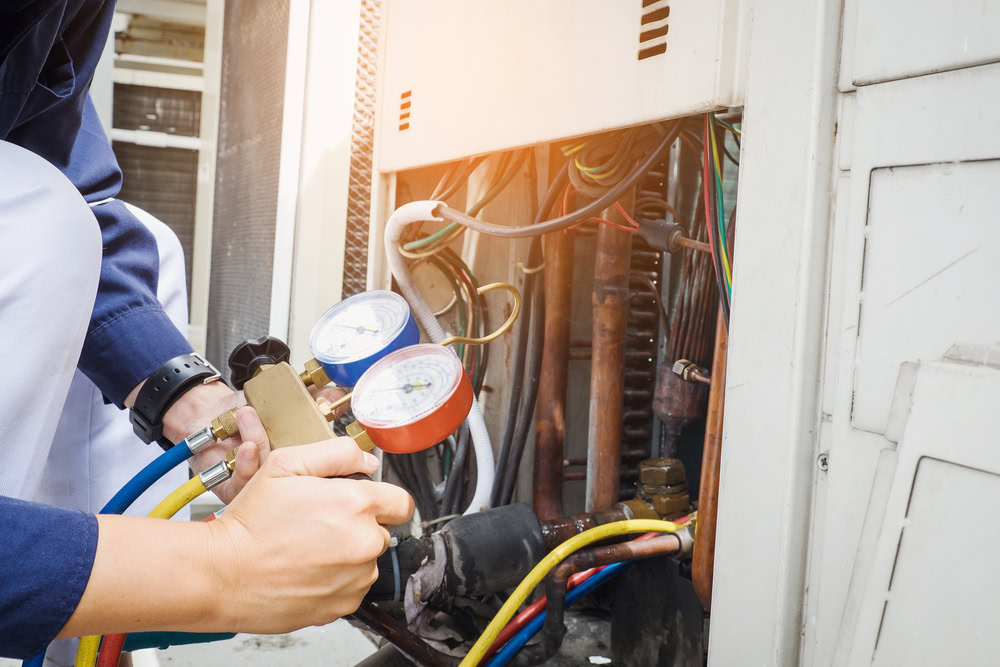
Your boiler might be working against you in ways you never notice. Older systems develop small problems that compound over time, each one making your heating less efficient and more expensive.
Heat loss through aging heat exchangers means your boiler works harder to achieve the same temperature. Dirty or corroded components force the system to cycle more frequently, burning extra fuel with each startup. Poor combustion due to worn burners wastes fuel that should be heating your home.
Even seemingly minor issues create major waste. A boiler that’s lost just 10% of its original efficiency will cost you hundreds more each heating season. That’s money leaving your pocket for absolutely no benefit to your comfort.
The worst part? These problems snowball. What starts as slightly higher bills becomes a pattern of expensive monthly heating costs that many Queens homeowners just accept as normal. But there’s nothing normal about paying 30-40% more than necessary to heat your home.
Older boilers also struggle with consistent heat distribution. You’ll notice some rooms staying cold while others get too hot, forcing you to crank up the thermostat to compensate. This creates even more waste as your system overheats parts of your home just to bring the cold spots up to temperature.
When Repair Costs Signal It's Time For Replacement
Smart Queens homeowners know the difference between a worthwhile repair and throwing good money after bad. The key is understanding when your boiler has crossed the line from fixable to financially foolish.
Here’s the reality check: if your boiler needs frequent repairs or the repair bill exceeds 50% of a replacement cost, you’re probably better off upgrading. Boiler repairs in Queens typically range from $350-950, but replacement costs average $5,427-7,343. Do the math on your specific situation.
Age matters more than most people realize. Boilers over 20 years old rarely justify major repair investments because they’ll likely need another expensive fix within a year or two. You end up spending repair money now and replacement money later anyway.
Watch for these warning signs that signal replacement makes more financial sense. Your energy bills keep climbing despite no change in usage patterns. You’re calling for repairs more than once per year. The system struggles to maintain consistent temperatures throughout your home.
Some repairs actually cost more than they’re worth, even on newer systems. If your heat exchanger is cracked or your boiler needs a complete burner assembly replacement, the repair bill might approach replacement cost while still leaving you with an aging system that could fail again soon.
The smartest approach? Get a professional assessment that includes both repair estimates and replacement costs, then compare the long-term value of each option based on your specific system and usage patterns.
How Much Money High-Efficiency Boilers Actually Save
The numbers don’t lie when it comes to modern boiler efficiency. Upgrading from an older system to a high-efficiency model delivers immediate monthly savings that add up to thousands over the system’s lifespan.
Queens homeowners consistently report 25-40% reductions in heating costs after professional boiler replacement. That translates to monthly savings of $60-127 for typical homes, money that stays in your pocket instead of going up the chimney.
The payback timeline is shorter than most people expect. High-efficiency systems often recover their initial investment within 6-8 years through energy savings alone, and that’s before factoring in avoided repair costs and increased home value.
Real Cost Savings For Queens Homeowners
Let’s break down what efficiency improvements mean for your actual monthly bills. The average Queens home needs between 55,000-65,000 BTUs of heating capacity, and efficiency directly impacts how much fuel you’ll burn to generate that heat.
An older boiler operating at 70% efficiency wastes 30 cents of every fuel dollar you spend. Multiply that waste across an entire heating season, and you’re literally burning hundreds of dollars for no benefit. Modern condensing boilers capture and use heat that older systems send straight out the exhaust vent.
The seasonal difference is dramatic. Where an aging oil boiler might cost $250-300 monthly during peak winter months, a high-efficiency replacement could deliver the same comfort for $175-200. That $75-100 monthly difference compounds over the 15-20 year lifespan of your new system.
But the savings extend beyond just fuel costs. Newer systems need fewer repairs, reducing your annual maintenance expenses. They also heat more evenly, eliminating the need to overheat your home to compensate for cold spots. This consistent performance means lower thermostat settings achieve the same comfort level.
Energy rebates sweeten the deal further. Queens homeowners can access up to $1,100 in rebates when installing higher-efficiency oil-fired boilers, plus additional federal tax credits on qualifying equipment. These incentives reduce your upfront investment while the efficiency savings start immediately.
Property value increases provide another layer of return on investment. Real estate professionals consistently rank updated heating systems among the top factors influencing home values in New York, with boiler upgrades typically delivering 60-80% ROI when you sell.
Why Efficiency Ratings Matter More Than Equipment Price
Shopping for boilers by price alone is like buying a car based only on the sticker price while ignoring fuel economy. The equipment cost is just the beginning—operating efficiency determines your long-term expenses.
AFUE ratings tell you exactly how much of your fuel dollar actually heats your home. A boiler with 85% AFUE converts 85 cents of every fuel dollar into heat, while 15 cents goes to waste. Compare that to a 95% AFUE system that wastes just 5 cents per dollar, and the efficiency advantage becomes clear.
The Department of Energy now mandates minimum efficiency levels of 77-84% for commercial boilers, but residential systems can achieve much higher performance. Modern condensing boilers routinely hit 90-95% efficiency, with some units reaching 99% under optimal conditions.
Higher efficiency equipment costs more upfront, but the math works in your favor over time. A boiler that costs $2,000 more but saves $200 annually on fuel pays for itself in 10 years, then continues saving money for the remaining decade of its lifespan. That’s $2,000 in additional savings beyond the payback period.
Installation quality affects efficiency just as much as equipment ratings. Proper sizing, correct venting, and precise combustion adjustments can make the difference between achieving rated efficiency and falling short of expectations. This is why professional installation matters—DIY mistakes can negate the efficiency advantages you paid for.
Consider the total cost of ownership, not just the purchase price. A slightly more expensive high-efficiency system that saves $150 annually costs less over its lifespan than a cheaper unit with higher operating expenses. Smart buyers focus on long-term value rather than initial savings.
Making Smart Boiler Decisions For Your Queens Home
Your heating system represents one of your home’s biggest ongoing expenses, which makes smart decisions about repair versus replacement crucial for your long-term finances. The key is getting professional guidance that considers your specific system, usage patterns, and budget constraints.
Don’t wait for a mid-winter emergency to address an aging, inefficient boiler. Planned replacements cost less than emergency installations and give you time to research rebates, compare options, and schedule the work at your convenience.
When you’re ready to explore your options, we can provide the expert assessment and professional installation that ensures maximum efficiency and long-term value for your investment.