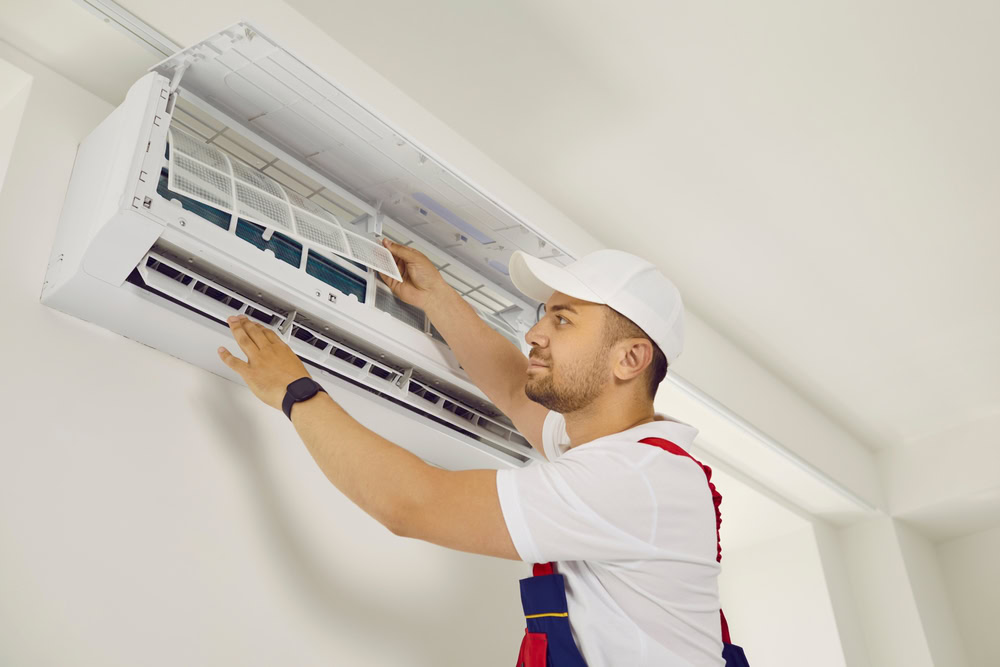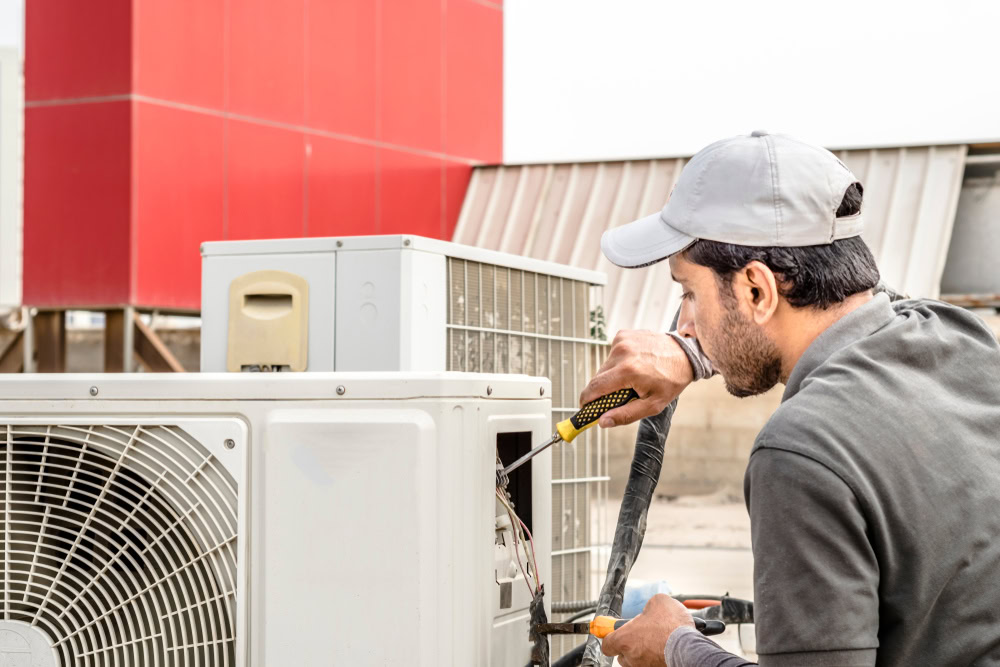
Summary:
Getting quotes for a new AC system should feel straightforward. It rarely does. You call a few contractors, get numbers that are thousands of dollars apart, and suddenly you’re trying to figure out whether the cheapest option is a bargain or a disaster waiting to happen. The honest answer is that most quotes aren’t built the same way — and without knowing what should be in one, you can’t really compare them. This guide walks you through exactly what a legitimate AC installation quote needs to include, what drives costs in Queens County, and how to protect yourself before a single tool hits your home.
New AC Installation Cost in Queens County, NY: What the Numbers Actually Mean
In Queens County, new AC installation typically runs somewhere between $3,500 and $10,000 for most residential setups — though the full range stretches wider depending on system type, home size, and what your existing infrastructure looks like. Our experience across the borough aligns with local data showing the typical AC replacement cost in New York City at around $7,249.
The reason quotes vary so dramatically isn’t random. It usually comes down to what’s included — or what’s quietly left out. A $4,500 quote and a $7,500 quote can cover completely different scopes of work, and you won’t know that until you’re mid-installation and being asked to approve add-ons.
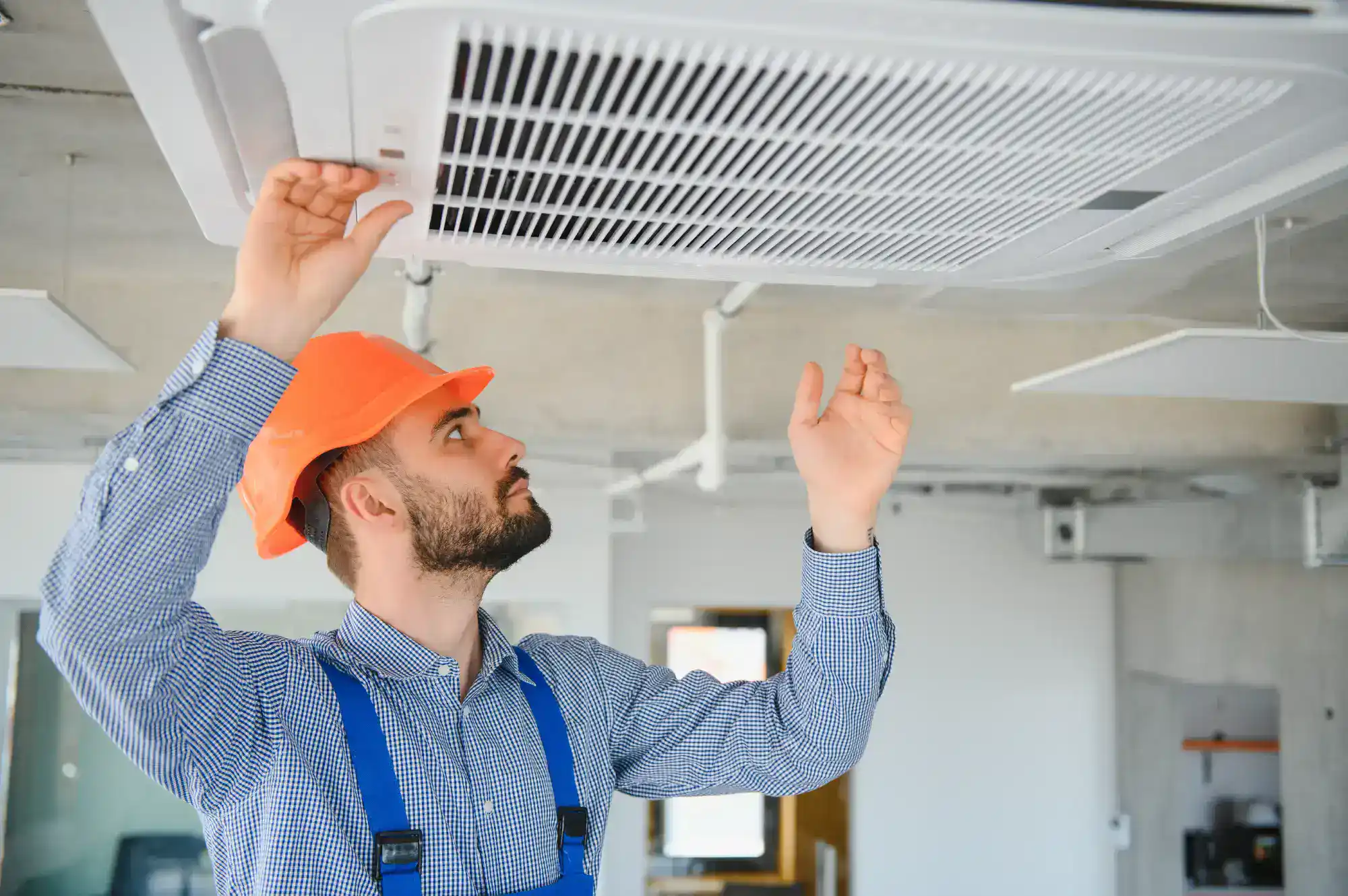
Air Conditioner Installation Price Breakdown: Line by Line
A quote you can trust should read almost like a contract. Every cost should be named and explained before work begins. Here’s what that looks like in practice.
Equipment is usually the largest line item. This covers the outdoor condenser unit, the indoor air handler or evaporator coil, and sometimes a new thermostat. The brand matters here — systems from manufacturers like Trane and Carrier carry 10-year registered warranties on parts and have strong service networks behind them. Budget brands may save you a few hundred dollars upfront and cost significantly more over time. The quote should list specific model numbers, not just “3-ton central AC unit.”
Labor is the second major cost. In Queens County, where licensed contractors must meet NYC Department of Buildings requirements and hold EPA Section 608 certification for refrigerant handling, labor rates reflect that credential. You’re not just paying for someone to carry equipment — you’re paying for the expertise to size the system correctly, handle refrigerant safely, and install it in a way that holds up under warranty.
Permits are non-negotiable in New York City. Queens County falls under NYC DOB jurisdiction, which means mechanical permits are legally required for new HVAC installations. A quote that doesn’t include a permit line item is either skipping that step — which creates real problems at resale and can void your insurance — or planning to charge you for it later. Either way, it’s a red flag. Permit fees in NYC can range from $500 to $5,000 depending on scope, so this isn’t a small omission.
Refrigerant line sets, electrical connections, and ductwork assessment should also appear as explicit line items. If your home needs ductwork modifications — which is common in Queens County’s older housing stock — that work can add $3,000 to $7,500 to the total, and it needs to be scoped and priced before anyone starts cutting into walls. Old unit disposal and haul-away is another item that should be spelled out. If it’s not on the quote, ask.
One more thing worth understanding in 2025: equipment costs are higher than they were even a year ago. As of January 1, 2025, manufacturers can no longer produce new R-410A equipment. All new systems now use A2L refrigerants, and that transition has pushed equipment prices up 15 to 30 percent compared to pre-2025 models. If you’re comparing a current quote to an estimate you got in 2023, that gap is real and regulatory — not contractor markup.
Why Queens County Homes Make AC Installation More Complicated Than Most
Queens County has some of the most varied housing stock of any market in the country, and that diversity has a direct impact on what your installation actually involves. The right system for a 1940s semi-detached home in Woodhaven is completely different from what makes sense for a 2005-built single-family home in Bayside or a co-op apartment in Forest Hills.
A significant portion of Queens County’s pre-war and mid-century homes were built without central air ductwork. If your home falls into that category — and many in Ridgewood, Howard Beach, Richmond Hill, and Jackson Heights do — a central AC installation isn’t just about equipment. It means either installing ductwork from scratch or switching to a ductless mini-split system, which doesn’t require ducts at all. Both are legitimate paths, but they carry very different costs and scopes, and any honest quote needs to address this upfront after a physical site visit.
For co-op and condo residents in neighborhoods like Rego Park, Kew Gardens, or Long Island City, there’s an additional layer: board approval. Many buildings have restrictions on system type, outdoor unit placement, and noise levels. A contractor who’s worked in Queens County for years understands how to navigate these requirements. One who hasn’t may not even know to ask.
There’s also the climate reality. Queens County sits squarely in the urban heat island effect — the borough can run 5 to 10 degrees hotter than surrounding suburban areas on the worst days of summer. That’s not just uncomfortable; it’s a health and safety issue, especially for older residents and young children. It also means your system works harder here than it would in a comparable home 20 miles east on Long Island, which is worth factoring into efficiency decisions when you’re comparing equipment options.
No reputable contractor can give you an accurate quote without seeing your home. A site visit that includes inspecting existing ductwork, evaluating your electrical panel, and calculating the correct system size isn’t optional — it’s the foundation of a quote you can actually trust.
How to Compare AC Installation Quotes Without Getting Burned
The instinct to go with the lowest number is understandable. But in the HVAC world, a low quote is often a low scope — and the rest of the cost shows up later, once you’ve already committed and have no leverage. The goal isn’t to find the cheapest quote. It’s to find the most complete one.
Comparing quotes fairly means comparing line items, not totals. Two quotes at the same price can cover entirely different amounts of work. Two quotes at very different prices might actually be closer than they appear once you account for what each one includes.
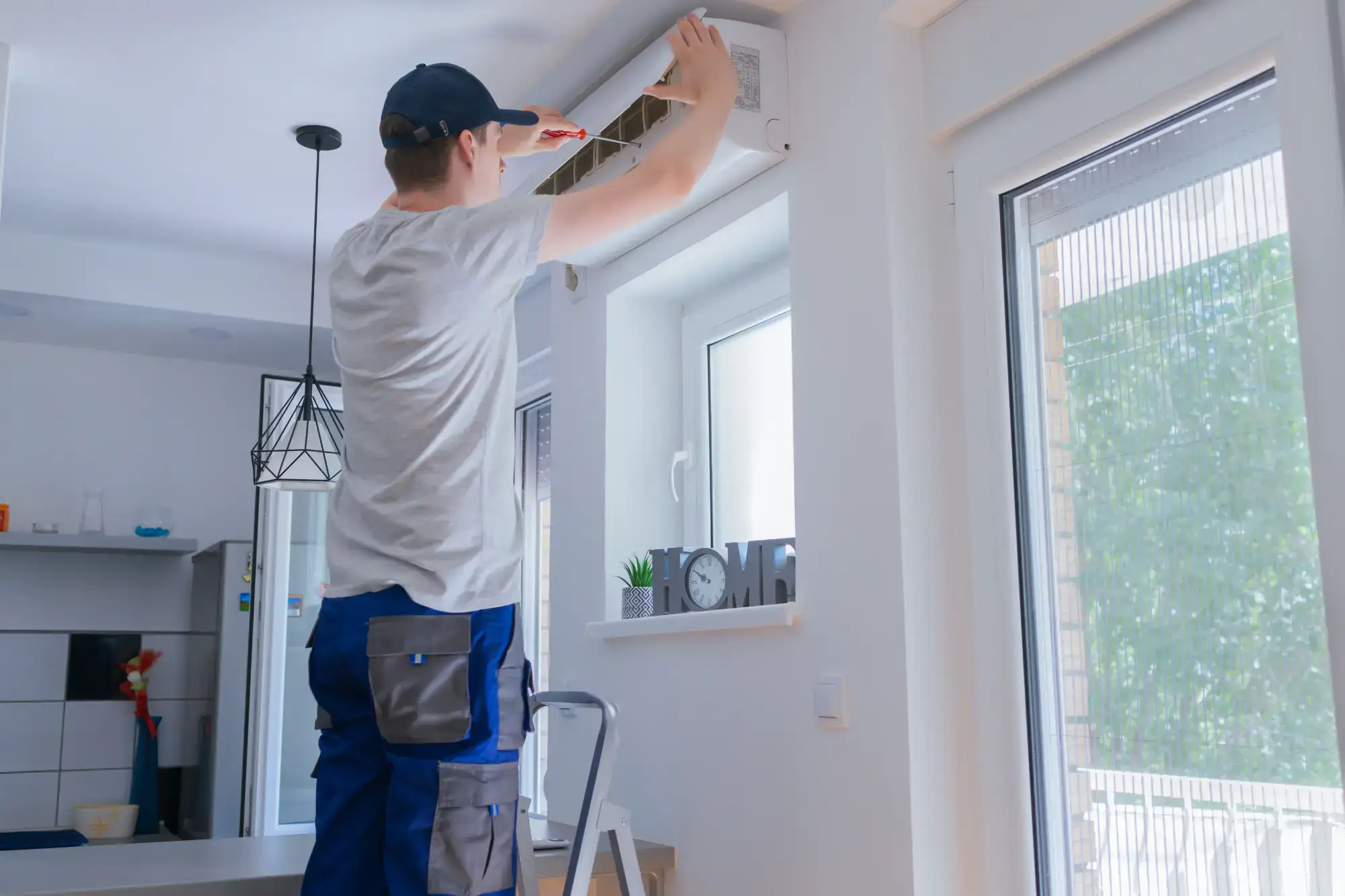
What Separates a Legitimate HVAC Quote from a Low-Ball Bid
There are a few specific things that separate a thorough quote from one that’s been stripped down to win the job on paper.
Commissioning is one of the most commonly skipped steps in the industry. It’s the process of testing the installed system under actual operating conditions — verifying refrigerant charge, airflow, and electrical connections — to confirm the system performs as designed. It’s not glamorous, but skipping it is one of the main reasons new systems underperform or fail prematurely. If a quote doesn’t mention commissioning, ask whether it’s included. Many lower-cost contractors quietly leave it out.
Proper system sizing is another area where corners get cut. The industry standard is a Manual J load calculation — a technical assessment of your home’s cooling needs based on square footage, insulation quality, window placement, and local climate data. Without it, a contractor is essentially guessing at what size system to install. An oversized unit short-cycles, meaning it turns on and off too frequently without running long enough to pull humidity out of the air. In Queens County’s muggy summers, that’s a real problem — the house feels cool but stays clammy and uncomfortable.
Licensing and insurance should be confirmed before you sign anything. In New York City, HVAC contractors must meet NYC DOB requirements, and any technician handling refrigerants must hold EPA Section 608 certification. These aren’t optional credentials. A contractor who can’t provide license information is operating outside the law, and any work they do leaves you exposed.
Finally, look at the warranty picture. Manufacturer warranties on equipment like Trane and Carrier systems typically cover parts for 10 years — but only if the system is professionally installed and registered within the required timeframe. If your contractor doesn’t walk you through warranty registration, that coverage can drop to five years. A labor warranty from the contractor themselves is a separate thing and should also be spelled out in writing.
Common Questions Queens County Homeowners Ask Before Getting an AC Quote
One of the most frequent questions we hear is whether it’s possible to get an accurate quote over the phone. The short answer is no — not an honest one. Any contractor who gives you a firm number without seeing your home is either guessing or setting you up for add-ons later. A real quote requires a site visit: inspecting your existing ductwork or confirming there isn’t any, checking your electrical panel, evaluating outdoor space for the condenser, and calculating the right system size for your specific home. In Queens County, where homes range from century-old attached row houses in neighborhoods like Astoria and Sunnyside to newer construction in eastern areas like Little Neck and Douglaston, there’s no such thing as a one-size-fits-all installation.
Another common question: should I get multiple quotes? Yes, always. Getting at least two or three quotes is smart practice for any project of this size. But when you compare them, look beyond the total. Ask each contractor whether permits are included, whether commissioning is part of the job, and what brand of equipment they’re proposing. If one quote is significantly lower than the others, ask specifically what’s not included — because something usually is.
Homeowners also ask whether Queens County installation costs are higher than what they see quoted online. They often are, and for legitimate reasons. NYC labor rates reflect the licensing requirements contractors must meet, and the urban density of Queens County creates logistical challenges — limited outdoor space, elevator access in multi-unit buildings, noise ordinances — that add real time and complexity to installations that would be simpler in a suburban setting. A quote that’s well below the $3,500 to $10,000 range typical for Queens County should prompt questions, not excitement.
Finally, people often ask what happens if they skip the permit. In New York City, unpermitted HVAC work can surface during a home sale inspection and create significant complications with buyers. It can also affect your homeowner’s insurance if a claim involves the system. The permit process exists for good reasons, and any contractor worth hiring will handle it as a standard part of the job — not an optional upgrade.
Getting an AC Installation Quote in Queens County the Right Way
A legitimate AC installation quote isn’t a rough estimate — it’s a detailed document that accounts for equipment, labor, permits, ductwork, electrical work, commissioning, and warranty terms before a single dollar changes hands. When every cost is on paper upfront, you can compare quotes fairly, avoid surprise charges, and make a decision you’ll feel confident about.
Queens County homeowners deal with a specific set of challenges: older housing stock, urban heat, NYC permitting requirements, and a wide range of home types that each call for a different approach. We understand all of that before we ever write a number down.
If you’re ready to get a quote that actually tells you what you’re paying for, we’re available around the clock — including during heat waves when you need it most. Reach our Queens County team directly at 718-428-6987.