Summary:
Boiler Leaking Water: Causes and Immediate Steps
Water pooling around your boiler isn’t something you can ignore, even if it seems like just a small drip. Leaks signal that something in your system isn’t working properly, and what starts small often becomes expensive water damage fast.
Most boiler leaks in Queens homes happen because of pressure issues, corroded components, or loose fittings that develop over time. The constant heating and cooling cycles put stress on joints and seals. In older Queens neighborhoods, age becomes a major factor as metal components naturally deteriorate after decades of NYC winters.
Why Boiler Pressure Problems Cause Leaks
Pressure imbalances cause most boiler leaks that Queens homeowners experience. When pressure runs too high, it forces water through seals and joints that normally contain it perfectly. When pressure drops too low, your system can’t circulate water properly, creating a cascade of other problems.
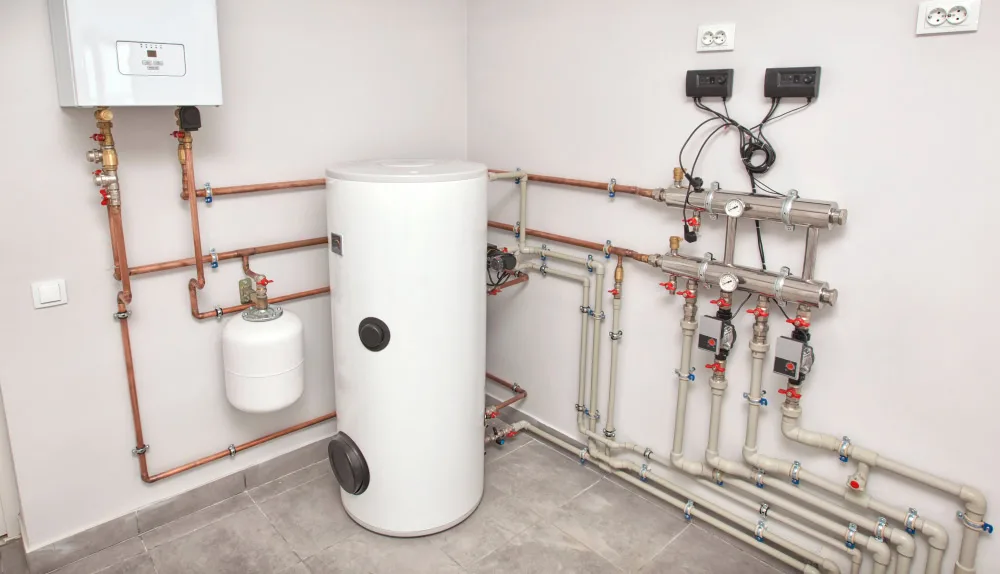
Your boiler’s pressure relief valve is designed to release excess pressure, but if it’s constantly dripping, that’s your system telling you something is wrong. An overfilled expansion tank often triggers this issue. The expansion tank is supposed to absorb pressure changes as water heats and cools, but when it becomes waterlogged, it can’t do its job.
Corrosion accelerates leak problems, especially in older Queens homes where boiler systems have been working hard for 15-20 years or more. As metal components deteriorate, they develop weak spots where water finds its way out. Sometimes you’re dealing with something as straightforward as loose pipe fittings that need tightening, but other times you’re looking at component replacement.
Check your boiler’s pressure gauge regularly – it’s usually located on the front of the unit. Most residential boilers should maintain pressure between 12-15 PSI when cold. If you notice pressure consistently running high or dropping frequently, that’s your signal to call a professional before a small problem becomes a big one.
When Boiler Leaks Require Emergency Service
Some leaks demand immediate professional attention, while others give you time to schedule service during normal hours. Knowing the difference can save you from emergency situations and protect your property from water damage.
Call a technician immediately if you see water coming from the heat exchanger, which sits at the heart of your boiler system. Heat exchanger leaks often signal that your unit has reached the end of its useful life, and continuing to operate it can be dangerous. Similarly, if you notice water around gas connections or electrical components, shut down your system and get help right away.
Leaks from the pressure relief valve, circulator pump, or pipe joints are serious but typically don’t require emergency shutdown. However, don’t let these “minor” leaks continue for weeks or months. What appears manageable can lead to significant water damage in your basement, and the underlying problem usually gets worse over time.
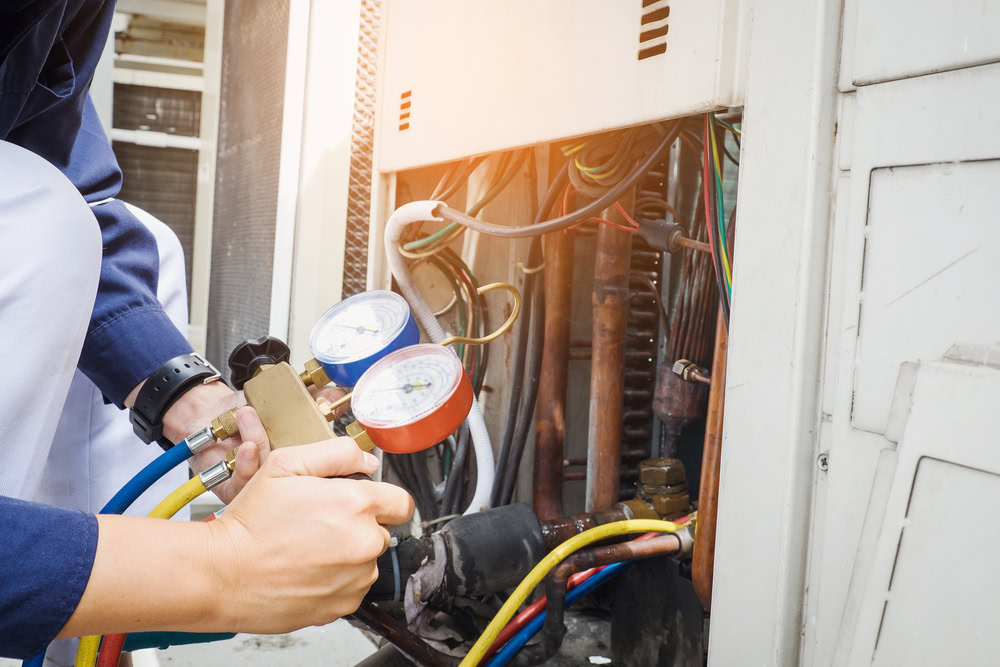
Professional boiler technicians have specialized tools to diagnose leak sources accurately and quickly. We can determine whether you need a simple seal replacement, a new circulator pump, or if it’s time to consider boiler replacement. In Queens, where many homes have boilers pushing 20 years or older, this expertise becomes especially valuable for making smart financial decisions about repairs versus replacement.
Boiler Making Banging Noises: What's Really Happening
Strange noises from your boiler can be genuinely alarming, especially when they start happening in the middle of the night. The encouraging news is that most boiler noises have identifiable causes, and understanding what you’re hearing helps you determine how urgently you need professional help.
Banging, popping, and rumbling sounds usually point to specific issues within your heating system. These aren’t random mechanical failures but predictable problems that we encounter regularly throughout Queens neighborhoods.

Delayed Ignition and Kettling Explained
If your boiler makes one loud BANG when it fires up, you’re likely dealing with delayed ignition. This happens when gas accumulates in the combustion chamber before the pilot light ignites it, creating what sounds like a small explosion. While it might not seem immediately dangerous, delayed ignition can crack your heat exchanger over time – a repair that typically costs $1,200 or more.
Delayed ignition usually develops because of dirty burner components, pilot light problems, or gas valve issues. These are maintenance-related problems that build up gradually, which is exactly why regular boiler tune-ups help prevent them from occurring.
Kettling creates entirely different sounds – consistent popping, rumbling, or whistling that continues while your boiler operates. This happens when your heat exchanger gets too hot, causing water to boil and create steam bubbles that violently collapse when they hit cooler water. The name comes from the sound being remarkably similar to a tea kettle on the stove.
Several factors cause kettling in Queens boilers. Hard water, which is common in many NYC areas, leads to limescale buildup on the heat exchanger. This buildup traps pockets of water that overheat rapidly. Low water pressure makes water move too slowly over the heat exchanger, allowing dangerous overheating. A malfunctioning thermostat can make burners stay on too long, and pump problems disrupt proper water circulation.
You might temporarily reduce kettling by turning down your thermostat, but the underlying cause needs professional attention. Ignoring kettling can seriously damage your heat exchanger and slash your boiler’s efficiency, leading to much higher heating bills throughout the winter.
Short Cycling and Other Pressure-Related Sounds
Short cycling – when your boiler turns on and off much more frequently than normal – creates its own distinctive pattern of noises and causes real damage to your system’s components. You’ll hear the startup and shutdown sounds happening every few minutes instead of every 15-20 minutes, and this constant cycling puts tremendous stress on electrical and mechanical parts.
Faulty steam traps, broken air vents, and pressuretrol malfunctions commonly cause short cycling in Queens boiler systems. Steam traps are supposed to remove condensate and maintain proper pressure levels, but when they malfunction, pressure imbalances make your boiler cycle erratically. Air vents release pressure buildup from your system, and when they’re broken, pressure accumulates until safety controls force a shutdown.
Your thermostat can also trigger short cycling if it’s not calibrated correctly or positioned in a poor location. A thermostat in direct sunlight, near a heat source, or in a drafty area gives false readings that confuse your boiler’s operation. Sometimes the root issue is simply that your boiler is oversized for your home’s actual heating needs, causing it to heat spaces too quickly and shut down prematurely.
Pressure-related noises often sound like gurgling, whistling, or vibrating throughout your heating system. These typically indicate air trapped in radiators or pipes, low water pressure, or circulation problems with your pump. While not as immediately alarming as loud banging noises, they signal that your system isn’t operating efficiently and will likely lead to higher heating bills and more frequent repairs.
Professional diagnosis becomes crucial for noise issues because similar sounds can have completely different causes. What sounds like a simple air problem might actually indicate pump failure, and what seems like minor kettling could signal serious heat exchanger damage that requires immediate attention.
Keeping Your Queens Boiler Running Reliably
Understanding these common boiler problems helps you recognize when something needs attention and how quickly you should act. Leaks, strange noises, pressure issues, and cycling problems rarely resolve themselves, and early intervention typically costs significantly less than waiting until something fails completely.
Regular maintenance prevents many of these issues from developing in the first place. Annual tune-ups catch small problems before they become expensive repairs and keep your system running efficiently throughout Queens’ demanding winter months. Most boiler repairs in Queens range from $350 to $950, but emergency repairs during peak winter months can cost much more.
When you need professional help with your boiler repair in Queens, choose a company with deep local experience and a solid track record of reliable service. We’ve been helping Queens homeowners with their heating challenges for over three decades, providing the expertise and dependable service you need to keep your home comfortable all winter long.