Summary:
What Causes Boilers to Fail
Boilers fail for predictable reasons. Poor maintenance tops the list. When you skip annual inspections, small problems compound. A dirty component becomes a broken component. A minor leak becomes a major flood.
Corrosion eats away at metal parts over time. Water quality plays a role here. Hard water leaves mineral deposits that restrict flow and force your system to work harder. Age matters too. Most boilers last around 15 years with proper care, but components start wearing out before that.
Human error causes more problems than most people realize. Nearly 40 percent of boiler accidents trace back to improper operation or neglected maintenance. That includes things like ignoring warning signs, delaying repairs, or attempting DIY fixes on gas-burning equipment that should only be handled by professionals.
Boiler Leaking Water Around Base or Pipes
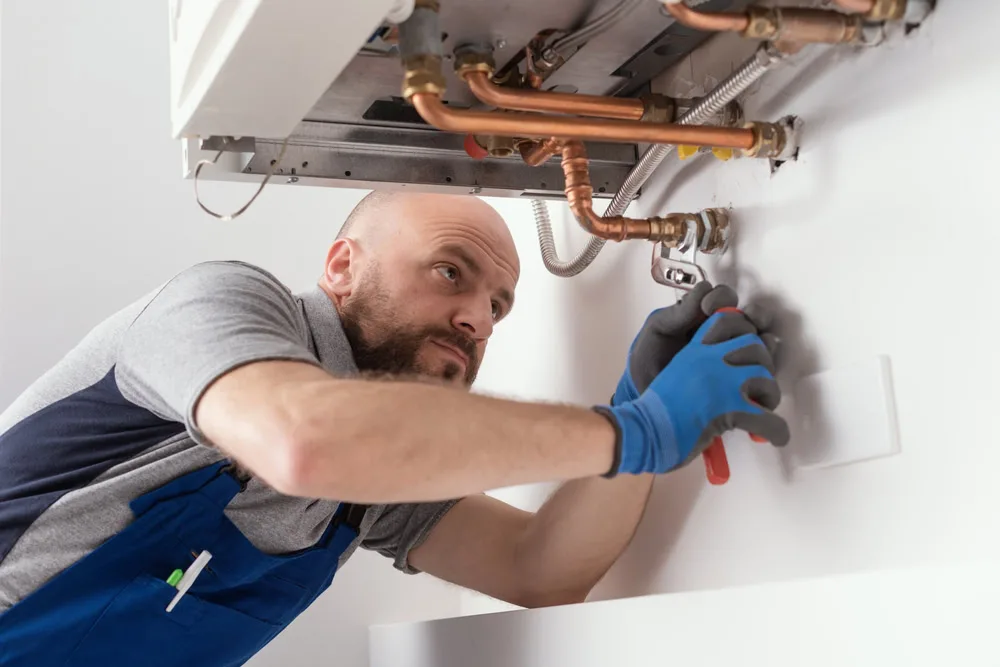
Water around your boiler isn’t normal, and it’s not something to mop up and forget about. A leaking boiler signals a breakdown somewhere in the system. The leak could come from a loose pipe connection, which is relatively simple to fix. Or it could mean a worn-out pump seal, a faulty pressure valve, or internal corrosion that’s reached a critical point.
The location of the leak tells you something about the cause. Water near the tank or pipes often points to loose connections. Moisture around the boiler itself suggests component failure inside the unit. Either way, the leak won’t fix itself, and it will get worse.
Here’s what makes this dangerous beyond the obvious water damage. When water leaks near electrical components, you’re looking at potential short circuits and fire hazards. Prolonged moisture also creates the perfect environment for mold growth, which spreads to flooring, walls, and anything else nearby.
Low boiler pressure often accompanies leaks. If your pressure gauge shows a steady drop, that water is going somewhere it shouldn’t. The system can’t heat properly when pressure falls too low, which means you’ll notice reduced heating performance before the leak becomes obvious.
Don’t wait on this one. A small drip today becomes a flood tomorrow, and water damage adds up fast. Professional diagnosis identifies whether you’re dealing with a quick fix or a sign that your boiler’s nearing the end of its lifespan. The longer you wait, the more expensive the fix becomes and the higher the risk of secondary damage to your home. Emergency boiler repair for leaks prevents the kind of water damage that costs thousands to remediate.
Strange Smells Coming From Your Boiler
Your boiler shouldn’t smell like anything. If it does, pay attention to what kind of smell you’re detecting, because different odors signal different problems.
A sulfur smell or anything resembling rotten eggs means gas is leaking. Natural gas is odorless by design, so utility companies add a chemical called mercaptan to make leaks detectable. That distinctive smell exists for one reason: to warn you that gas is escaping where it shouldn’t. This is an emergency. Shut off your gas supply, evacuate your home, and call for help from outside. Don’t flip light switches or create any sparks. Even a small amount of leaked gas can ignite.
Burning smells fall into a different category. A light burning odor when you first fire up your boiler for the season usually means dust burning off components. That’s normal and should disappear after a few minutes. But a strong, persistent burning smell that smells like melting plastic or overheating metal signals a serious problem. Components are overheating, which happens when your boiler works too hard due to buildup, poor airflow, or failing parts.
Musty or moldy smells point to moisture problems. Your boiler works with water, and when leaks develop or condensation accumulates, mold finds a home. This isn’t just a comfort issue. Mold growth indicates water is collecting somewhere it shouldn’t, which means your boiler has a leak or drainage problem that needs fixing.
One in six homes have unsafe gas appliances. That statistic should concern you because it means gas leaks are more common than most people realize. If you smell gas, treat it like the emergency it is. If you smell burning, don’t assume it’s dust until a professional confirms it. And if you smell mold, understand that it’s telling you about a water problem that will damage your system and your home if left unchecked.
Strange smells aren’t something to get used to. They’re your boiler’s way of telling you something is wrong, and the specific smell tells you how urgent the problem is. Gas smells require immediate evacuation. Burning smells require same-day professional inspection. Musty smells require scheduling a repair before the leak causes more damage.
Boiler Not Working or Heating Properly
When your boiler stops producing heat or delivers inconsistent warmth, you’re looking at a problem that needs professional diagnosis. No heat means no hot water for radiators or baseboard heaters. Your home gets cold fast, especially during Nassau County winters when outdoor temperatures require heat from October through May.
Several components can cause heating failure. A malfunctioning thermostat might prevent your boiler from turning on even though the system itself is fine. An airlock in the pipes blocks hot water circulation. A failed diaphragm or valve keeps water from reaching where it needs to go.
Inconsistent heating is just as frustrating as no heating. Some rooms stay warm while others turn cold. Radiators heat unevenly. The system cycles on and off without maintaining steady temperature. These symptoms often point to circulation problems, mineral buildup restricting flow, or air trapped in the system that needs bleeding out. Average boiler repair costs run between $190 and $659 depending on what’s failing, which is significantly less expensive than dealing with burst pipes from a completely failed system during freezing weather.
Pilot Light Keeps Going Out or Won't Stay Lit
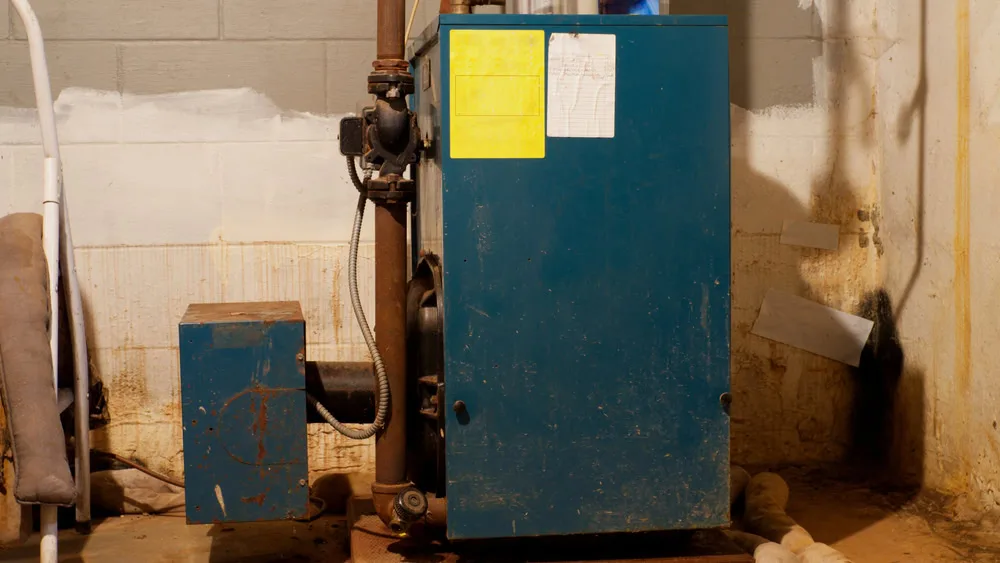
Your pilot light should burn steady and blue. When it keeps going out or won’t stay lit, your boiler can’t function. The pilot light ignites the gas that heats the water, so without it, you have no heat.
A faulty thermocouple is the most common culprit. This safety device detects whether the pilot light is burning and keeps the gas valve open when it senses flame. If the thermocouple is dirty, misaligned, or damaged, it might not detect the flame properly even when the pilot is lit. The safety system then shuts off the gas supply, and your pilot goes out.
Drafts can blow out pilot lights, especially if your boiler is located near a door, window, or vent that allows strong air currents through. A blocked pilot orifice restricts gas flow to the pilot light. The orifice is a small opening that regulates how much gas reaches the flame, and even minor debris can clog it enough to cause problems.
Gas supply issues also cause pilot light failures. If your gas pressure is too low or the gas valve isn’t working correctly, the pilot won’t receive enough fuel to stay lit. This becomes more obvious if multiple gas appliances in your home are having problems simultaneously.
A pilot light that constantly goes out isn’t just inconvenient. It’s a sign your boiler’s safety systems are either working correctly to prevent a dangerous situation, or they’re malfunctioning in ways that could create hazards. Either way, you need a professional to diagnose which components are failing and why.
Don’t keep relighting a pilot that won’t stay lit. If it goes out once, try relighting it according to your boiler’s manual. If it goes out again, stop trying and call for service. Repeatedly attempting to relight a faulty pilot can allow gas to accumulate, which creates an explosion risk when you finally get ignition.
Modern boilers often use electronic ignition instead of standing pilot lights, which eliminates some of these issues. But if your system has a pilot light and it’s giving you trouble, that’s your cue to get professional help before you’re left without heat during the coldest stretch of winter.
Unusual Noises Like Banging, Whistling, or Gurgling
Boilers make some noise during normal operation. You’ll hear the burner ignite, water moving through pipes, and the occasional click as components turn on and off. But loud banging, high-pitched whistling, or constant gurgling sounds mean something’s wrong.
Banging noises, often called “kettling,” happen when mineral deposits build up around the heat exchanger. Water trapped under these deposits overheats and boils, creating steam bubbles that collapse violently. The banging sound is those bubbles bursting. Kettling reduces efficiency and puts stress on your heat exchanger, which can lead to cracks and leaks if not addressed.
Whistling sounds usually indicate air trapped in the system or water being forced through a restricted opening. A blocked air filter can cause whistling, and that’s particularly dangerous because it can lead to overheating and potential fire hazards. Whistling can also mean your pressure is too high or a valve isn’t opening properly.
Gurgling sounds point to air in the pipes or water circulation issues. When air gets trapped in your heating system, it creates pockets that block proper water flow. You’ll hear gurgling as water tries to move past these air bubbles. Low water levels can also cause gurgling as the pump struggles to circulate insufficient water through the system.
These noises tell you what’s happening inside your boiler. Kettling means you have scale buildup that’s affecting heat transfer. Whistling means something is blocking proper airflow or water flow. Gurgling means air is where water should be. None of these problems fix themselves, and all of them get worse over time.
The danger with unusual noises is that they’re early warning signs of component failure. The banging from kettling can crack your heat exchanger. Restricted airflow from a blocked filter can cause your boiler to overheat. Air in the system reduces heating efficiency and can damage the pump.
When you hear sounds that aren’t part of your boiler’s normal operation, don’t turn up the TV to drown them out. Those noises are your system telling you it needs attention. A heating boiler repair professional can identify what’s causing the sound, clean out buildup, bleed air from the system, and make the repairs needed to restore quiet, efficient operation before the underlying problem causes a breakdown.
When to Call for Emergency Boiler Repair Service
Some boiler problems let you schedule a convenient appointment. Others require immediate response. Gas smells, complete heating failure during freezing weather, significant water leaks, and persistent burning odors all qualify as emergencies that shouldn’t wait.
The warning signs covered here exist for a reason. Your boiler is telling you something is wrong before it fails completely. Leaking water damages your home and indicates failing components. Strange smells signal gas leaks or overheating. Pilot light problems mean safety systems or gas supply issues. Unusual noises reveal internal damage from scale buildup or trapped air. When you catch these signs early, repairs cost less and prevent the kind of damage that requires full system replacement.
Nassau County winters don’t forgive heating system failures. When temperatures drop and your boiler quits, your family’s comfort and safety are at risk. That’s why we offer 24-hour emergency response for heating emergencies throughout Nassau County. Don’t wait until you’re without heat. If you’re seeing warning signs or your boiler isn’t working right, get it checked now before a small problem becomes a winter emergency.