Summary:
What Causes a Boiler Making Noise
Boilers aren’t silent machines. They heat water, move it through pipes, fire up burners, and manage pressure—all of which creates some level of sound. A gentle hum when it kicks on? Normal. A low whoosh as it heats? Also normal.
But when the sounds change—when they get louder, more frequent, or just plain weird—that’s your system communicating. Most boiler noises fall into a few categories: banging, whistling, gurgling, or humming. Each one points to a different issue happening inside your system.
The key is knowing which sounds you can live with for a while and which ones mean you’re on borrowed time before something fails. A noisy boiler isn’t just annoying—it’s often inefficient, costing you more on your energy bills. And in some cases, it’s a warning sign of a problem that could leave you without heat right when you need it most in Nassau County, NY.
Why Your Boiler Banging Sound Shouldn't Be Ignored
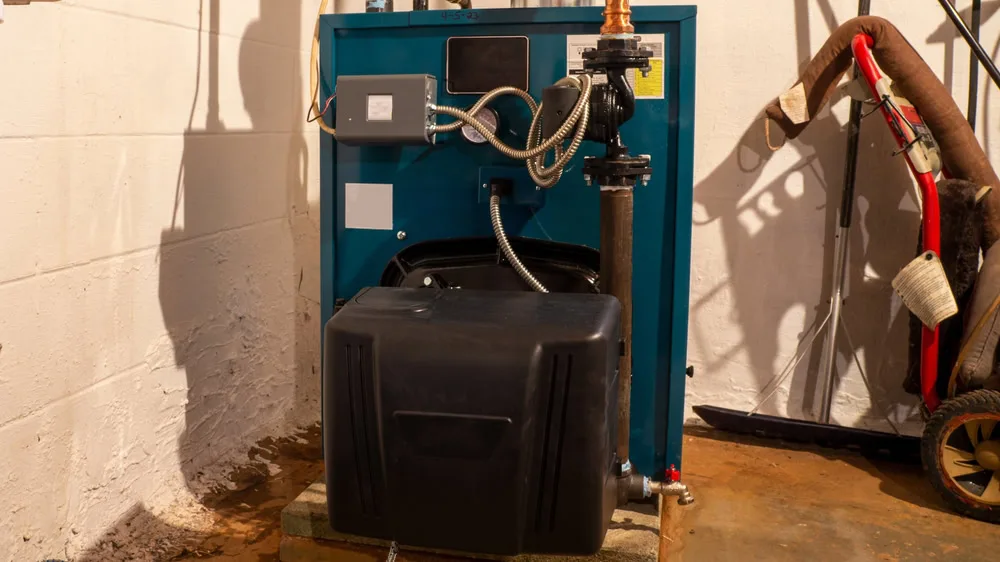
A boiler banging sound—sometimes called “kettling”—is one of the most alarming noises homeowners hear. It sounds like someone’s down there hitting your boiler with a hammer. That’s not what’s happening, but what is happening isn’t great either.
Kettling occurs when limescale or sludge builds up on your boiler’s heat exchanger. This is the part of your system that heats the water. When mineral deposits accumulate there, they restrict water flow. The restricted water overheats, starts to boil, and creates steam bubbles that collapse violently—hence the banging.
This isn’t just a noise problem. Boiler kettling reduces your system’s efficiency because it can’t transfer heat properly. It also puts stress on internal components, which can lead to more serious damage over time. If you’re hearing loud banging regularly, you’re looking at a system that needs professional attention.
Another cause of banging is something called water hammer. This happens when water flow suddenly changes direction in your pipes—like when you turn a tap on or off quickly—and the momentum creates a shockwave that rattles through your system. You’ll usually hear this in the pipes themselves rather than the boiler unit.
A third possibility? Debris or sludge moving through your system. As your boiler ages, rust and sediment can break off and travel through pipes, creating knocking or tapping sounds as they bounce around.
The bottom line: banging sounds shouldn’t be ignored. They indicate your boiler is working harder than it should, which means higher energy bills now and potentially expensive repairs later. A heating boiler repair professional can diagnose the exact cause—whether it’s limescale buildup that needs descaling, a system flush to remove sludge, or a component that needs replacement.
Boiler Whistling Noise: What It Means and How to Fix It
A boiler whistling noise is exactly what it sounds like—a high-pitched whistle or screech coming from your heating system. If you’ve ever heard an old-fashioned tea kettle on the stove, you’ll recognize the sound immediately. And just like that kettle, the whistle means something’s boiling that shouldn’t be.
Whistling is often another symptom of kettling. When limescale builds up and restricts water flow through the heat exchanger, the water that does get through can overheat to the point of boiling. As steam forms and escapes through narrow passages, it creates that characteristic whistling sound.
But whistling can also point to trapped air in your system. Air bubbles moving through pipes and radiators can create a whistling or hissing sound, especially when your boiler first fires up. This is usually less serious than kettling—often it just means your system needs bleeding to release the trapped air.
A third possibility is an issue with your boiler’s pump. If the pump bearings are wearing out or if the pump is running too fast, it can create a high-pitched whine. You might also hear whistling from a partially closed valve or a blockage somewhere in your system.
Here’s how to tell what you’re dealing with: if the whistling happens when your boiler is actively heating and gets louder over time, kettling is the likely culprit. If you hear it when the system first turns on and it fades away, trapped air might be the issue. If it’s constant and doesn’t change with heating cycles, look at the pump or valves.
Whistling from kettling needs professional attention. A technician can perform a powerflush to remove limescale and sludge, or in severe cases, replace the heat exchanger. Trapped air you might be able to address yourself by bleeding your radiators, but if air keeps getting into the system, there’s an underlying problem that needs diagnosis.
Don’t let a whistling boiler become background noise in your home. It’s not just annoying—it’s a sign your system isn’t operating safely or efficiently. And in Nassau County, NY winters, you can’t afford to gamble on your heat.
Understanding Boiler Gurgling and Other Warning Sounds
Not all boiler noises are as dramatic as banging or whistling. Sometimes you’ll hear sounds that are concerning but not quite as alarming—like gurgling, humming, or vibrating. These noises have their own causes and their own levels of urgency.
A gurgling boiler typically means air is trapped somewhere in your system. As water flows through pipes and radiators, air pockets create that distinctive gurgling sound—similar to water going down a partially clogged drain. This is one of the more common issues homeowners face, and it’s often one of the easier ones to fix.
The good news? Trapped air usually isn’t dangerous. The bad news? It makes your system less efficient because air prevents hot water from circulating properly. You might notice some radiators aren’t heating evenly, or certain rooms stay colder than others.
What Causes Gurgling Sounds and When to Worry
When you hear gurgling, the first thing to check is your radiators. If they have cold spots at the top, trapped air is likely the issue. Many homeowners can bleed their radiators themselves using a radiator key—it’s a straightforward process that releases the air and restores proper water flow.
But if you bleed your radiators and the gurgling comes back quickly, something else is going on. Low water pressure can cause gurgling. So can a frozen condensate pipe in winter—common in Nassau County, NY when temperatures drop. A blockage in your system or a failing pump can also create gurgling sounds.
Humming is different. A low hum when your boiler is running is usually normal—that’s just the sound of the pump and burner doing their jobs. But if the humming gets louder, changes pitch, or turns into a drone, you might have an issue with water pressure, a pump running too fast, or fan bearings that need attention.
Vibrating or rattling often points to loose components. Sometimes it’s as simple as brackets that need tightening. Other times it indicates a worn-out pump or a component that’s failing. If your boiler is vibrating enough that you can feel it or hear it throughout your house, don’t ignore it—loose parts can cause more damage over time.
One noise that deserves immediate attention: a clicking or tapping that happens when your boiler tries to ignite. This could indicate an ignition problem, which means your boiler might fail to start when you need it most. It could also point to a thermostat issue or a problem with the gas supply.
Here’s the reality: most gurgling and humming issues are fixable without major expense. Bleeding radiators, adjusting pressure, or tightening loose parts are relatively simple repairs. But you need to know what you’re dealing with. If you’re not comfortable troubleshooting or if the noises persist after basic fixes, it’s time to call for a noisy boiler fix from someone who can properly diagnose the issue.
When Strange Boiler Noises Require Emergency Heating Boiler Repair
Some sounds require immediate action—not tomorrow, not next week, but now. Here’s when you should stop reading and reach out for help.
If you smell gas along with any unusual noise, shut off your boiler, open windows, leave your home, and call your gas company or emergency services immediately. Don’t try to investigate. Don’t flip light switches. Just get out and call for help.
If you see water leaking from your boiler while hearing gurgling or banging, turn off your boiler and call for emergency heating boiler repair. Leaks combined with noise often indicate a pressure problem or a failed component that could cause more damage the longer it runs.
If your boiler is making loud, persistent banging that’s getting worse, don’t wait. This level of kettling can damage your heat exchanger beyond repair, turning a $300 repair into a $2,000 replacement.
If your carbon monoxide detector goes off and your boiler is making any unusual sounds, evacuate immediately. A malfunctioning boiler can produce dangerous levels of carbon monoxide—an odorless, colorless gas that can be fatal.
For other noises—whistling, gurgling, humming—you have a bit more time, but not indefinitely. These sounds indicate your boiler is working harder than it should, which means it’s less efficient and more likely to fail when you least expect it. In Nassau County, NY, where heat is required by law from October through May and winter temperatures regularly drop below freezing, you can’t afford to gamble on a struggling boiler.
The cost of addressing boiler noises early is almost always less than the cost of emergency repairs. A service call to diagnose and fix a minor issue might run $200 to $400. Emergency service in the middle of a cold snap? You’re looking at $500 to $1,000 or more, plus the stress of dealing with no heat while you wait for a technician.
Think of unusual boiler noises as your system’s early warning system. It’s telling you something needs attention. Whether that’s a simple fix like bleeding radiators or a more involved repair like descaling the heat exchanger, addressing it now prevents bigger problems later.
Get Professional Help for Your Noisy Boiler in Nassau County
Your boiler makes noise for a reason. Sometimes it’s a minor issue you can monitor. Sometimes it’s a problem that needs professional attention. And sometimes it’s an emergency that requires immediate action.
The key is knowing the difference—and now you do. Banging usually means kettling or debris in your system. Whistling points to limescale buildup or trapped air. Gurgling indicates air in your radiators or low pressure. Each sound tells a story about what’s happening inside your heating system.
Don’t let strange boiler noises become the soundtrack to your winter. If you’re hearing sounds that concern you, or if noises that were minor are getting worse, it’s time to get a professional assessment. The longer you wait, the more likely a small issue becomes an expensive repair—or worse, a complete system failure when temperatures drop.
If you’re dealing with a boiler making noise in Nassau County, NY, we can diagnose the problem and get your system running quietly and efficiently again. We’ve seen every type of boiler noise issue, and we’ll give you straight answers about what’s wrong and what it’ll take to fix it—no sales pitch, just facts.