Summary:
Why Your Boiler Stops Working When Temperatures Drop
Freezing weather doesn’t just make your boiler work harder. It creates conditions that can shut your system down completely. Modern boilers have safety features designed to prevent damage, and when something goes wrong during a cold snap, these safety switches kick in and stop everything.
The most common winter boiler problems happen outside your home, in pipes and components exposed to freezing air. But internal issues show up too—low pressure, ignition failures, and circulation problems all get worse when temperatures plummet. Understanding which problem you’re dealing with is the first step toward getting your heat back.
Frozen Condensate Pipes Cause Most Cold Snap Boiler Failures
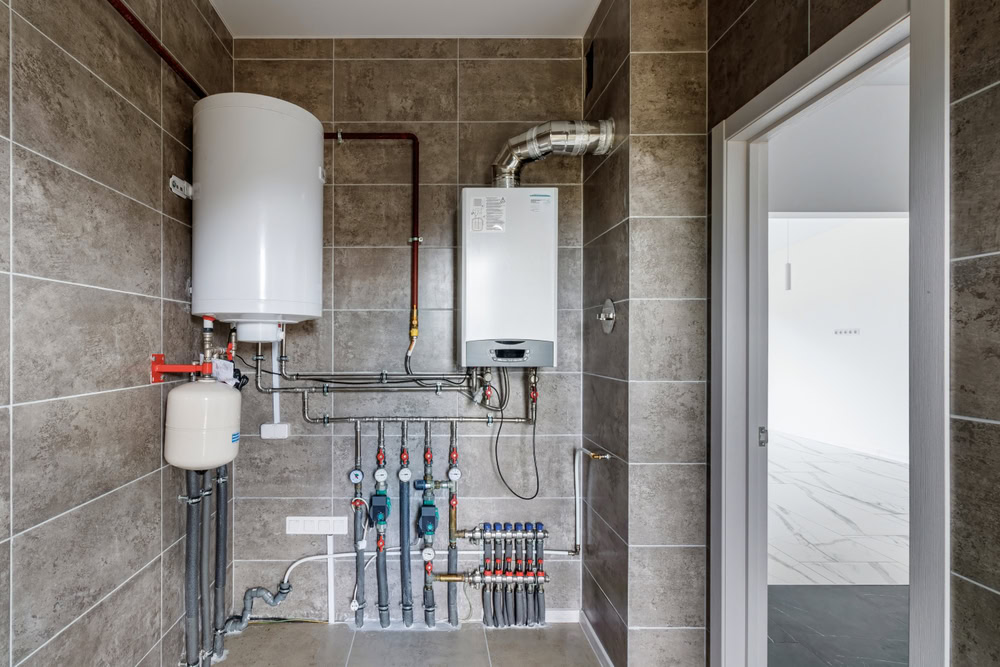
If you have a modern condensing boiler, there’s a white plastic pipe running from your unit to an outside drain. This condensate pipe carries acidic wastewater away from your system. When temperatures drop below freezing, the water inside that pipe can turn to ice, creating a blockage that forces your boiler to shut down as a safety measure.
You’ll know it’s a frozen condensate pipe if your boiler tries to fire up but keeps failing, often with a gurgling sound. The system might display an error code. The boiler isn’t broken—it just can’t drain properly, so it won’t run.
This is one problem you can often fix yourself. Locate the condensate pipe outside your home—it’s usually near ground level, often at the end where it connects to a drain. Pour warm water (not boiling, which can crack the plastic) slowly over the pipe, especially at bends and the lowest points where ice forms first. A hot water bottle wrapped around the pipe works too.
Once the ice melts and drains clear, go back inside and reset your boiler. It should fire up normally. If it doesn’t, or if the pipe freezes again quickly, there might be a bigger issue with how the pipe is installed or insulated. That’s when you need professional help.
The reason frozen condensate pipes are so common during cold snaps is simple: that pipe is outside, exposed to the elements, and carries water. When Nassau County temperatures stay below freezing for extended periods—especially overnight—that’s when problems strike. Many homeowners wake up to no heat because the pipe froze while they slept.
Low Boiler Pressure Prevents Your System From Starting
Your boiler needs water pressure to operate safely. Too low, and it won’t start. Too high, and it could damage itself. Most boilers run best between 1 and 1.5 bar of pressure. You can check this on the pressure gauge on your boiler—it usually has a green zone showing the safe range and red zones showing too low or too high.
Freezing temperatures cause pressure to drop. As the mercury falls, the water in your system contracts slightly, reducing pressure. If your system was already on the lower end of the safe range, a cold snap can push it below the minimum threshold. When that happens, your boiler’s safety system prevents ignition.
Low pressure also happens because of small leaks in your system. Maybe a radiator valve is weeping slightly, or there’s a slow drip somewhere you haven’t noticed. During normal weather, your boiler compensates. But when frigid temperatures drop the pressure further, suddenly you’re below the safe operating level.
You can usually fix low pressure yourself if there are no leaks. Most boilers have a filling loop—a valve system that lets you add water to increase pressure. Check your boiler’s manual for the specific process, because it varies by model. The basic idea is to slowly open the valve, watch the pressure gauge rise into the green zone, then close the valve. Don’t overfill—too much pressure creates different problems.
If you top up the pressure and it drops again within a day or two, you have a leak somewhere. That requires a professional to locate and repair. Constantly adding water to maintain pressure isn’t a solution—it’s a sign that something needs fixing. And if your pressure gauge is in the red zone on the high side, don’t try to bleed radiators or adjust anything yourself. High pressure can indicate a faulty pressure relief valve or expansion vessel, both of which need professional attention.
The connection between low pressure and winter heating failure is direct. Your boiler won’t risk running without enough pressure, because it could overheat or damage the heat exchanger. So when pressure drops during freezing weather, your system protects itself by refusing to start. You’re left with no heat until the pressure issue is resolved.
Ignition and Circulation Problems That Appear in Freezing Weather
Even if your condensate pipe is clear and your pressure is good, your boiler still might not fire up during a cold snap. Ignition problems and circulation issues are the next most common causes of winter heating failure. These problems are trickier because they usually require professional diagnosis and repair.
Ignition failure means your boiler tries to start but can’t establish a flame. Circulation problems mean the boiler fires up but can’t move hot water through your system effectively. Both leave you without adequate heat right when you need it most.
Why Your Boiler Won't Ignite During Cold Weather
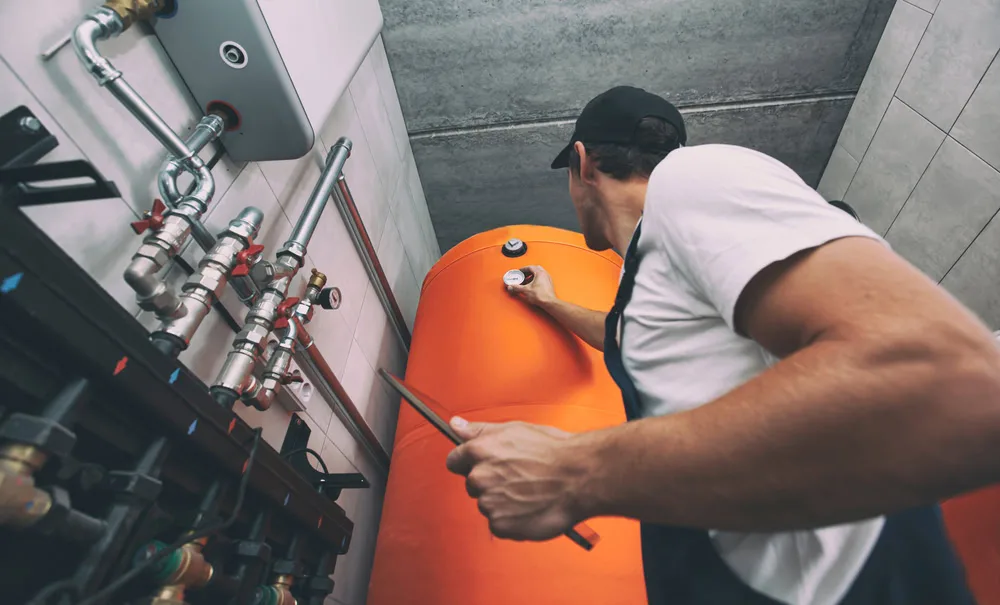
When your boiler attempts to start, you might hear clicking sounds or see it cycling through startup attempts before giving up and displaying an error code. This is ignition failure, and freezing weather makes several causes more likely.
Gas supply issues top the list. If you have natural gas, check whether other gas appliances in your home are working—your stove, for example. If nothing’s getting gas, the problem might be with your gas company or meter. In extreme cold, outdoor gas meters can freeze, restricting flow. If you smell gas or suspect a gas problem, leave your home and call your gas company immediately from outside.
For oil boilers common in Nassau County homes, frigid temperatures can cause fuel to gel or thicken, making it harder to pump and burn. Water contamination in oil tanks is another issue that prevents proper combustion. These issues require a professional oil burner technician.
Pilot light problems affect older boilers. If your pilot light is out, cold drafts might be extinguishing it, or the thermocouple (the safety device that detects whether the pilot is lit) might be failing. Modern boilers use electronic ignition instead, which can fail due to faulty ignition leads, dirty flame sensors, or problems with the control board.
Low gas pressure at the burner itself—different from water pressure—can prevent ignition. This happens when the gas valve isn’t opening fully or when there’s a restriction in the gas line. Only a qualified HVAC technician should diagnose and repair gas pressure issues at the appliance level.
Ignition failure is frustrating because your boiler seems like it’s trying to work but just can’t get started. The repeated attempts drain your patience while your house gets colder. Some homeowners keep hitting the reset button, hoping it’ll eventually catch. But if your boiler fails to ignite after one or two reset attempts, continuing to try won’t help and might make diagnosis harder. That’s when you need a boiler repair emergency service call.
Freezing weather amplifies ignition problems that might have been minor issues during warmer months. A slightly dirty flame sensor might work fine in October but fail completely in January when your boiler is running constantly and working against frigid outdoor temperatures.
Circulation Problems That Keep Your Home Cold
Sometimes your boiler fires up just fine, but your home still isn’t getting warm. The burner runs, you can hear it working, but radiators stay cold or only some rooms heat up. This points to circulation problems—issues with moving hot water through your heating system.
Air trapped in your radiators or pipes is a common cause. When air gets into the system, it creates pockets that block hot water flow. You’ll notice this when radiators are cold at the top but warm at the bottom, or when some radiators heat up while others stay cold. Bleeding your radiators releases trapped air. It’s a simple process: turn off your boiler, use a radiator key to open the bleed valve at the top of each radiator, and let air escape until water starts to drip out, then close the valve. Check your boiler pressure afterward and top it up if needed, because bleeding radiators reduces system pressure.
Pump failure is more serious. Your boiler’s circulation pump pushes hot water through your system. If the pump fails or runs too slowly, hot water doesn’t reach your radiators effectively. You might hear unusual sounds from the boiler or feel that the pump is vibrating differently than normal. Freezing weather can expose a pump that’s been struggling, pushing it over the edge into complete failure.
Frozen pipes in your heating system—not the condensate pipe, but the actual water pipes carrying hot water to radiators—can block circulation. This is more likely in unheated areas of your home like basements, crawl spaces, or garages. If pipes freeze, water can’t flow, and even though your boiler is running, heat doesn’t reach where it needs to go.
Sludge buildup in your system restricts flow over time. This is old sediment, rust, and debris that accumulates in pipes and radiators. When your boiler works harder during a cold snap, and flow is already restricted by sludge, the system can’t keep up with demand. You’ll notice some rooms staying cold while others heat unevenly. A power flush by a professional can clear sludge, but that’s not an emergency repair—it’s maintenance you schedule after you have heat restored.
Circulation problems during winter are particularly frustrating because your boiler seems fine. It’s running, burning fuel, and generating heat. But that heat isn’t reaching your living space effectively. You’re paying for heat you’re not receiving, and your family is still cold. These problems require professional diagnosis because they involve internal components and system dynamics that aren’t obvious from the outside.
Getting Your Heat Back When Cold Snaps Strike Nassau County
When your boiler stops working during freezing weather, you need heat restored fast. Start with the basics: check for frozen condensate pipes, verify your pressure is in the safe range, and make sure your thermostat is set correctly. These are the issues you can often address yourself and get your system running again quickly.
But when the problem is ignition failure, circulation issues, gas supply problems, or anything involving your boiler’s internal components, that’s when professional help isn’t optional—it’s necessary. Heating emergencies during Nassau County cold snaps require experienced HVAC technicians who understand both the systems and the urgency.
If you’re dealing with a boiler that won’t start or isn’t heating your home properly during winter weather, we provide the emergency heating boiler repair Nassau County homeowners count on when cold snaps strike.