Summary:
How Professional Air Conditioner Repair Delivers Measurable ROI
The return on investment from professional AC repair shows up in three places: your monthly utility bill, your repair invoices, and how long your system lasts. Research consistently shows that for every dollar spent on professional maintenance, homeowners save four dollars in avoided breakdowns and repairs. That’s not marketing—that’s documented return.
In Nassau County, where summer temperatures regularly hit the low 80s and humidity makes systems work even harder, the math becomes even more compelling. A well-maintained system operates up to 20% more efficiently than a neglected one, which translates directly to lower monthly costs. When you consider that the average home spends nearly $1,900 annually on energy bills—with almost half going to heating and cooling—even a 20% improvement puts real money back in your pocket.
The bigger financial win comes from avoiding emergency repairs. When you wait until your system fails completely, you’re not just paying for the repair—you’re paying premium rates for after-hours service, rush parts, and the inconvenience of sweltering through a heatwave while waiting for an available technician.
What Expert Diagnostic Services Actually Catch Before Problems Escalate
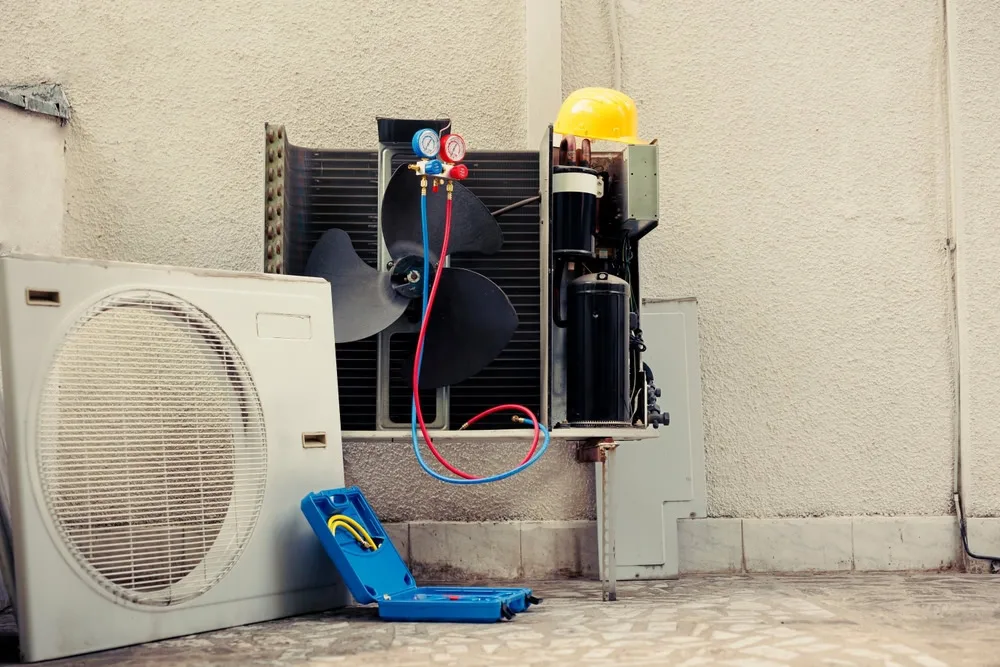
Professional diagnostic services use specialized tools and training to identify issues that homeowners simply can’t see. A trained technician doesn’t just look at your system—they measure refrigerant levels, test electrical connections, analyze airflow, check for duct leaks, and evaluate how efficiently every component performs under actual operating conditions.
Here’s what makes this valuable: 80% of the AC repairs that technicians encounter could have been avoided with regular professional maintenance. That statistic tells you something important—most system failures don’t happen randomly. They develop gradually, giving off warning signs that only trained eyes and diagnostic equipment can detect.
Take refrigerant leaks, for example. You might notice your system running longer to cool your home, but you probably won’t connect that to a slow leak until the compressor fails from working too hard. A professional diagnostic catches that leak early when it’s a $300 repair instead of a $2,500 compressor replacement. The same pattern applies to electrical connections that are starting to corrode, capacitors showing early signs of failure, or duct leaks wasting 20-30% of your cooled air before it ever reaches your rooms.
In Queens and Nassau County, where many homes have older HVAC systems or additions that changed the original load calculations, expert diagnostics also identify whether your system is properly sized for your space. An oversized or undersized unit works harder, costs more to operate, and fails sooner. Professional assessment gives you the information you need to make smart decisions about repairs versus replacement—before you’re forced to decide during an emergency.
The diagnostic process itself follows a systematic approach. We check thermostat calibration, inspect electrical components for safety issues, measure system pressures, evaluate airflow throughout your ductwork, and test safety controls. This comprehensive evaluation provides a complete picture of your system’s health, not just a Band-Aid for whatever symptom brought you to call in the first place.
Why DIY AC Repairs End Up Costing More Than Professional Service
YouTube makes AC repair look straightforward. Twenty minutes of watching someone else do it, and you’re convinced you can handle it yourself. The reality is different. Air conditioning systems involve refrigerants that require EPA certification to handle legally, electrical components that pose real safety risks, and intricate mechanical parts where one wrong move creates cascading problems.
The financial risk of DIY repairs shows up in three ways. First, misdiagnosing the problem means you spend money on parts you don’t need while the actual issue continues damaging your system. Second, improper repairs void manufacturer warranties, leaving you fully responsible for future failures that would have been covered. Third, and most expensive, attempting repairs without proper training and tools often causes additional damage that turns a simple fix into a major overhaul.
Consider what happens when someone tries to “top off” refrigerant without identifying the leak. You’ve spent money on refrigerant that will leak out again, you haven’t fixed the underlying problem, and your compressor continues working harder than it should—shortening its lifespan with every cycle. A professional doesn’t just add refrigerant; they locate the leak, repair it properly, evacuate the system, and recharge it to manufacturer specifications. The repair actually solves the problem.
The same pattern applies to electrical issues. A loose connection might seem like something you can tighten yourself, but without understanding the full electrical system, you might miss the reason that connection came loose in the first place—perhaps vibration from an unbalanced fan, or corrosion from a moisture problem elsewhere in the system. Professional technicians don’t just treat symptoms; they identify root causes.
There’s also the safety factor. Refrigerants can cause chemical burns and respiratory issues if mishandled. Electrical components can cause shocks, fires, or carbon monoxide issues if improperly repaired. Professional technicians carry insurance and follow safety protocols specifically because these systems present real hazards to untrained individuals.
The cost comparison tells the story clearly. A professional diagnostic typically runs $75-$150, and that fee is usually credited toward any repairs you approve. Compare that to the homeowner who spends $200 on parts from online videos, creates a bigger problem, and then pays a professional $800 to fix both the original issue and the damage from the DIY attempt. The “savings” from doing it yourself evaporate quickly when things go wrong—and with complex HVAC systems, things often go wrong.
Preventative AC Maintenance Extends System Lifespan and Lowers Utility Bills
The difference between an air conditioning system that lasts 10 years and one that lasts 20 years isn’t luck—it’s maintenance. Without regular professional attention, most central air conditioners lose efficiency and fail within 8-10 years. With annual maintenance and seasonal checkups, that same equipment runs reliably for 15-20 years. You’re essentially doubling your system’s lifespan through routine care.
The financial impact of this extended lifespan is substantial. If a replacement system costs $8,000-$12,000, getting an extra 7-10 years from your current equipment represents thousands of dollars in delayed capital expenses. Even better, a well-maintained system operates more efficiently throughout its entire lifespan, meaning you’re saving on utility bills every single month while also postponing replacement costs.
Preventative maintenance addresses the gradual deterioration that all mechanical systems experience. Dust accumulates on coils, reducing heat transfer efficiency. Belts wear and slip. Electrical connections corrode. Refrigerant levels drop slowly from microscopic leaks. None of these issues announces itself with dramatic failure—they just quietly make your system work harder and cost more to operate until something finally breaks.
The Real Cost of Skipping Annual HVAC Maintenance
Every dollar of deferred maintenance becomes four dollars in capital renewal costs down the road. That’s not a scare tactic—it’s documented research on how small problems compound into expensive failures when left unaddressed. In practical terms, skipping your $200 annual maintenance to “save money” often leads to repair bills that run $800-$2,000 when components fail prematurely.
Emergency HVAC repairs cost 50-100% more than standard service calls. When your system fails on the hottest weekend of summer, you’re not getting regular pricing. You’re paying for after-hours service, expedited parts, and the reality that every technician in Nassau County and Queens is already booked solid with other emergencies. The homeowner who skipped spring maintenance to save $200 ends up paying $1,500 for an emergency compressor replacement that could have been prevented.
The energy cost of neglected systems adds up quickly. Well-maintained HVAC units can operate up to 20% more efficiently than neglected ones, with proper maintenance reducing energy consumption by as much as 30%. If you’re spending $900 annually to cool your home, that 20-30% efficiency loss means you’re throwing away $180-$270 every single year—more than the cost of the maintenance you skipped.
System breakdowns also carry hidden costs beyond the repair bill. Time off work to meet the technician. Hotel costs if your home becomes uninhabitable during a heatwave. Spoiled food if the failure affects your whole electrical system. The stress and inconvenience of scrambling for emergency service when every company is overwhelmed with calls. These indirect costs often exceed the direct repair expenses.
The pattern is consistent: proper diagnostic and maintenance programs reduce system breakdowns by 70-75%. That statistic represents real money staying in your pocket instead of going toward emergency repairs. It represents summer evenings spent comfortable in your home instead of sweltering while waiting for a technician. It represents the peace of mind that comes from knowing your system is ready before you need it most.
What Professional HVAC Maintenance Includes and Why Each Step Matters
Professional HVAC maintenance isn’t just changing a filter and calling it done. A comprehensive maintenance visit includes systematic inspection and servicing of every component that affects your system’s performance, efficiency, and safety. Understanding what’s included helps you recognize the value you’re receiving—and why cutting corners with cheaper service often means you’re not getting true maintenance.
The process starts with thermostat calibration and testing. An incorrectly calibrated thermostat can cause your system to run longer than necessary or fail to maintain consistent temperatures. We verify that your thermostat accurately reflects actual room temperature and responds properly to adjustments. For homes with programmable or smart thermostats, this includes checking that schedules are optimized for efficiency.
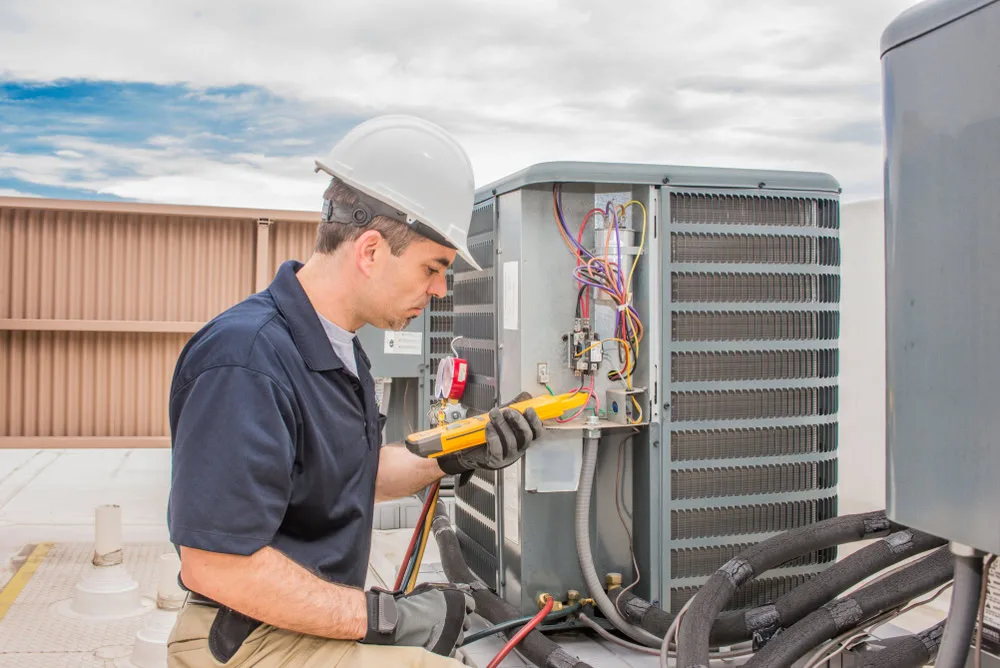
Electrical inspection comes next. We measure voltage and current on all electrical components, checking for loose connections, signs of overheating, or corrosion. Electrical issues are both a safety hazard and a leading cause of component failure. Catching a loose connection before it causes a motor to burn out saves you from an expensive repair and potential fire risk.
Refrigerant levels require precise measurement and adjustment. Too little refrigerant makes your system work harder and cool less effectively. Too much refrigerant can damage the compressor. We don’t just “top off” refrigerant—we identify any leaks, repair them, evacuate the system properly, and recharge to exact manufacturer specifications. This process requires EPA certification and specialized equipment that homeowners don’t have access to.
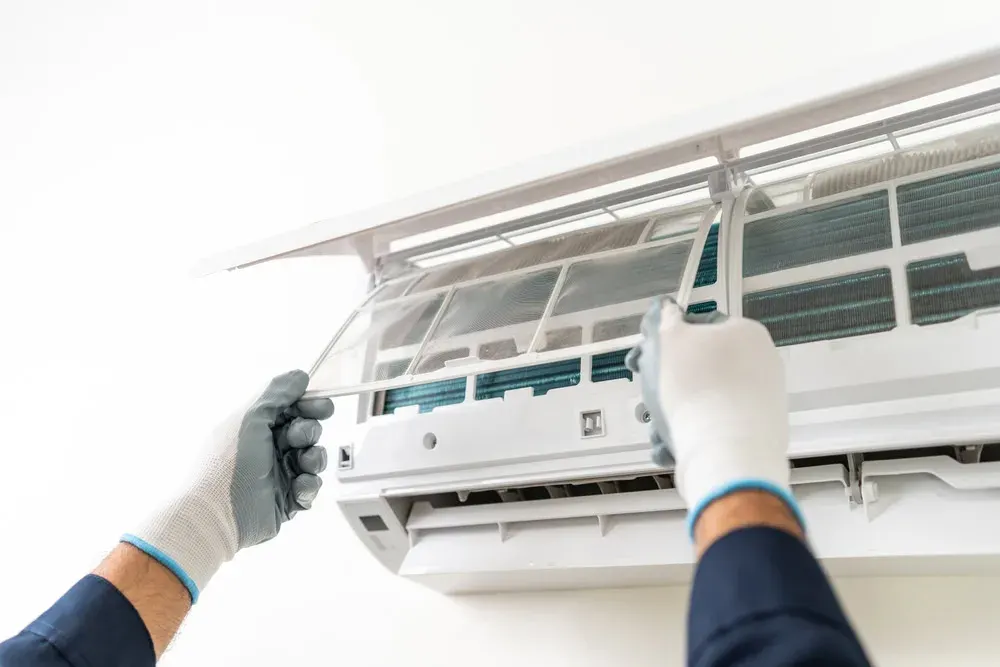
Coil cleaning is essential for efficiency. Both evaporator coils inside your home and condenser coils outside accumulate dirt and debris that insulate them, preventing proper heat transfer. Dirty coils force your system to run longer to achieve the same cooling, directly increasing your energy costs. Professional cleaning restores efficiency and reduces the strain on your compressor.
Ductwork inspection identifies leaks that waste 20-30% of your cooled air before it ever reaches your living spaces. In homes with accessible ductwork, we check for disconnections, damage, or inadequate sealing. Duct leaks are one of the most common causes of high energy bills and uneven cooling between rooms.
Moving parts require lubrication to reduce friction and prevent premature wear. Motors, bearings, and fans all benefit from proper lubrication, which reduces energy consumption and extends component life. Without lubrication, friction increases heat and accelerates wear, leading to earlier failure.
Condensate drain inspection prevents water damage and humidity problems. Your air conditioner removes moisture from the air, which must drain properly. A clogged drain can cause water backup, potential mold growth, and system shutdowns. We clear the drain line and verify proper drainage.
Safety controls testing ensures your system shuts down properly if problems occur. This includes testing high-pressure cutoffs, verifying proper combustion (for systems with heating components), and checking that all safety mechanisms function as designed. These controls protect both your equipment and your home.
The comprehensive nature of professional maintenance explains why it delivers such strong returns. Each component inspection and adjustment contributes to overall system efficiency, reliability, and longevity. Skipping maintenance doesn’t save money—it just shifts costs forward into more expensive repairs and premature replacement.
Making Smart Decisions About Air Conditioner Repair and Maintenance
The financial case for professional air conditioner repair and maintenance is straightforward: every dollar invested returns four dollars in avoided repairs, lower utility bills, and extended equipment lifespan. In Nassau County and Queens, where summer heat pushes cooling systems hard and older homes present unique challenges, expert service isn’t optional—it’s the difference between a system that serves you reliably for 20 years and one that fails after 10.
The decision comes down to whether you want to control your HVAC costs or let them control you. Professional diagnostics catch 80% of repairs before they become emergencies. Annual maintenance reduces system breakdowns by 70-75%. Well-maintained equipment operates 20-30% more efficiently than neglected systems. These aren’t promises—they’re documented outcomes from homeowners who invested in expert service instead of waiting for catastrophic failure.
Your air conditioner is working hard right now, whether you realize it or not. Small issues are developing. Efficiency is gradually declining. Components are wearing. The question isn’t whether you’ll pay for service—it’s whether you’ll pay $200 for maintenance or $2,000 for an emergency repair. If you’re ready to make the smart choice, we provide the expert diagnostics and professional maintenance that keep your system running efficiently and reliably, year after year.