Summary:
Most people don’t think about their air conditioner until it stops working. And by then, it’s 92 degrees in Flushing, every HVAC company in Queens County has a three-day wait, and you’re calling in a favor from a neighbor with a window unit. That’s the version of summer nobody wants. A professional AC tune-up is how you avoid it — but it’s also a lot more than most people realize. It’s not just about keeping the system running. It’s about efficiency, lifespan, air quality, and catching a $150 problem before it turns into a $6,000 one. Here’s what you’re actually getting when you schedule one.
What an Air Conditioner Tune Up Actually Includes
There’s a lot of confusion about what a tune-up covers. Some companies show up, swap the filter, glance at the outdoor unit, and call it done. That’s not a tune-up — that’s a filter change with a service call fee attached to it.
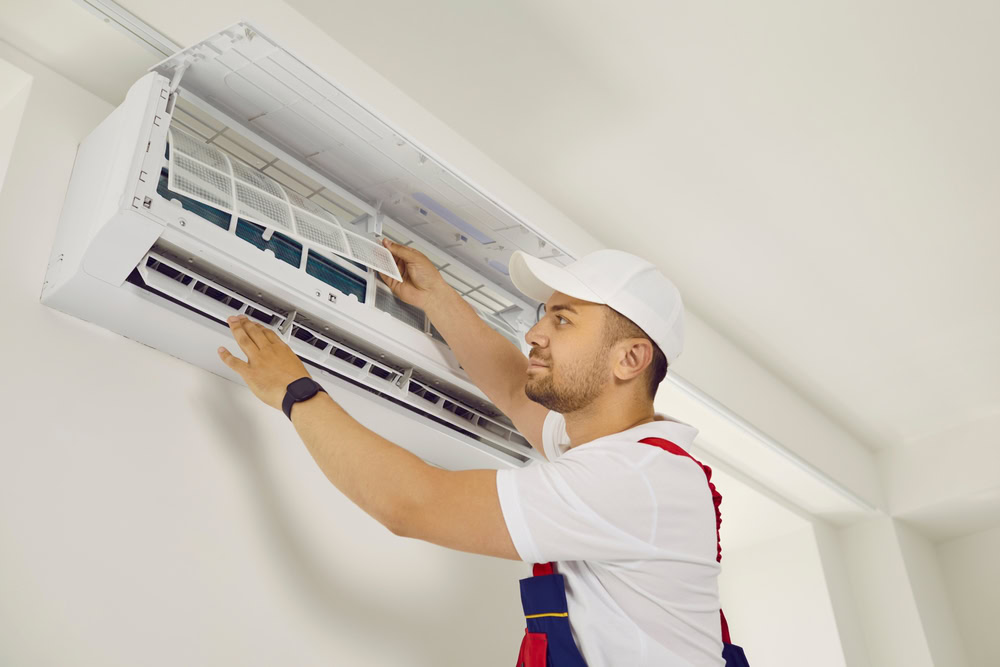
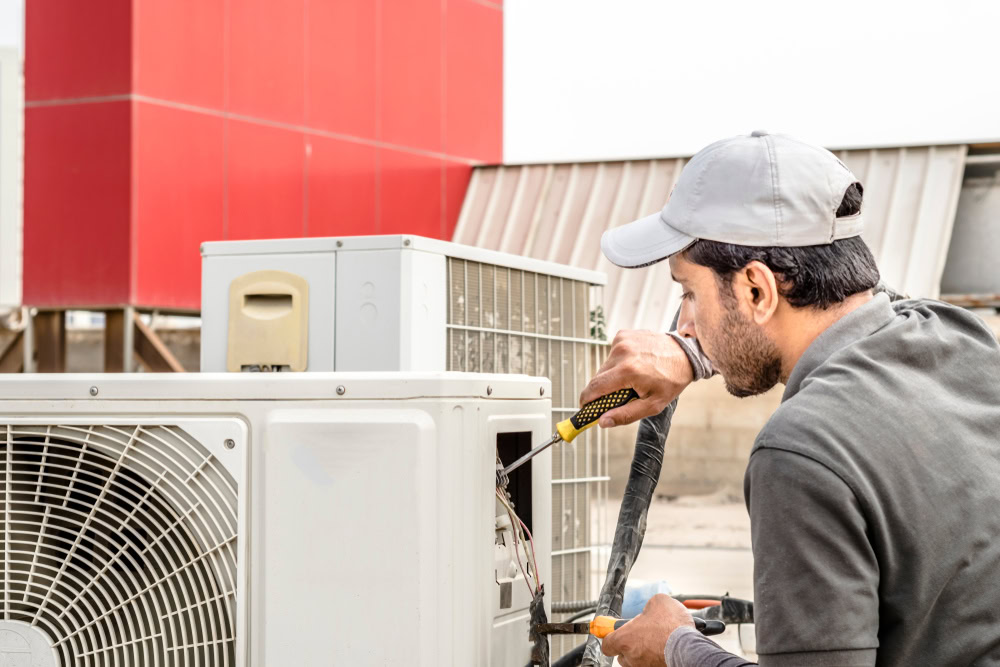
A real air conditioner tune-up involves a full inspection of the system’s mechanical and electrical components, cleaning of the coils, refrigerant level checks, testing of capacitors and contactors, thermostat calibration, condensate drain clearing, and a documented report of what was found. Our technicians measure amp draw and refrigerant pressures — not just eyeballing things. If you’re not getting that, you’re not getting a tune-up.
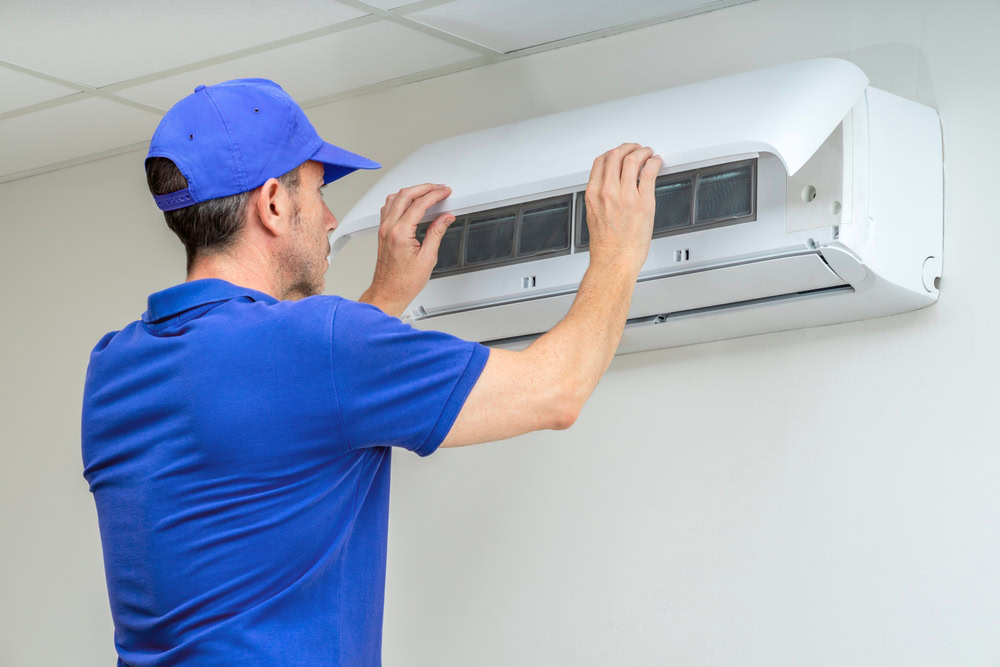
Air Conditioning Tune Up Benefits That Go Beyond "Keeping It Running"
Here’s where it gets interesting — because most homeowners think of a tune-up as a way to prevent breakdowns. That’s true, but it’s only part of the picture.
The first benefit is energy efficiency. HVAC systems account for roughly 52% of a home’s annual energy use. When coils are dirty, refrigerant is low, or airflow is restricted, the system works harder to produce the same amount of cooling. That extra effort shows up directly on your Con Edison bill. Queens County homeowners already pay some of the highest electricity rates in the country, which means an inefficient system costs more here than it would almost anywhere else. A tune-up that restores your system to proper operating efficiency isn’t just good for the equipment — it’s good for your wallet every single month.
The second benefit is early problem detection. A failing capacitor, a refrigerant leak, or a worn contactor are all cheap fixes when caught early — typically in the range of $100–$200. Left undetected, any one of those issues can cascade into compressor failure, which is the most expensive repair on an AC system. Compressor replacements can run $1,500 to over $6,000 depending on the system. The math on annual maintenance isn’t complicated.
The third benefit is lifespan extension. A well-maintained AC system can last 15 to 20 years. A neglected one often fails well before the 10-year mark. When you factor in the cost of replacing a central air system in Queens County — which can easily run $5,000 to $12,000 or more — adding years to the life of your existing equipment through consistent maintenance is one of the better financial decisions you can make as a homeowner.
The fourth benefit is indoor air quality. Dirty coils, a clogged condensate drain, and a neglected filter don’t just hurt efficiency — they affect the air your family breathes. In a dense borough like Queens County, where summers bring heat, humidity, and urban air pollution, a clean, well-functioning system makes a real difference in what’s circulating through your home.
The fifth benefit — and the one most people overlook entirely — is warranty protection. Most major HVAC manufacturers, including Trane and Carrier, require documented annual professional maintenance to keep their warranties valid. Skipping a tune-up doesn’t just risk a breakdown. It can quietly void the warranty on a system you paid thousands of dollars for, and you won’t find out until you try to file a claim.
Central AC Maintenance Schedule: When Queens County Homeowners Should Book
Timing matters more than most people realize. The ideal window for a central AC maintenance visit in Queens County is late winter through early spring — roughly February through April. That’s before the summer rush hits, before technician schedules fill up, and before your system has to work at full capacity.
Queens County summers are not gentle. The average July high sits around 86°F, and the borough sees 17 or more days above 90°F in a typical year. Add in the urban heat island effect — especially in denser neighborhoods like Astoria, Long Island City, and Jackson Heights, where concrete and rooftops hold heat well into the evening — and your AC is under real stress from June through September. A system that hasn’t been inspected is going into that stretch without a safety net.
The other thing worth knowing: Queens County is projected to see a 128% increase in days over 98°F over the next 30 years. That’s not a distant concern — it’s a trajectory that’s already underway. The summers your system will face in the coming years are going to be harder than the ones it was designed for. Consistent annual maintenance isn’t just good practice — it’s how you keep up with a changing climate without replacing your equipment every decade.
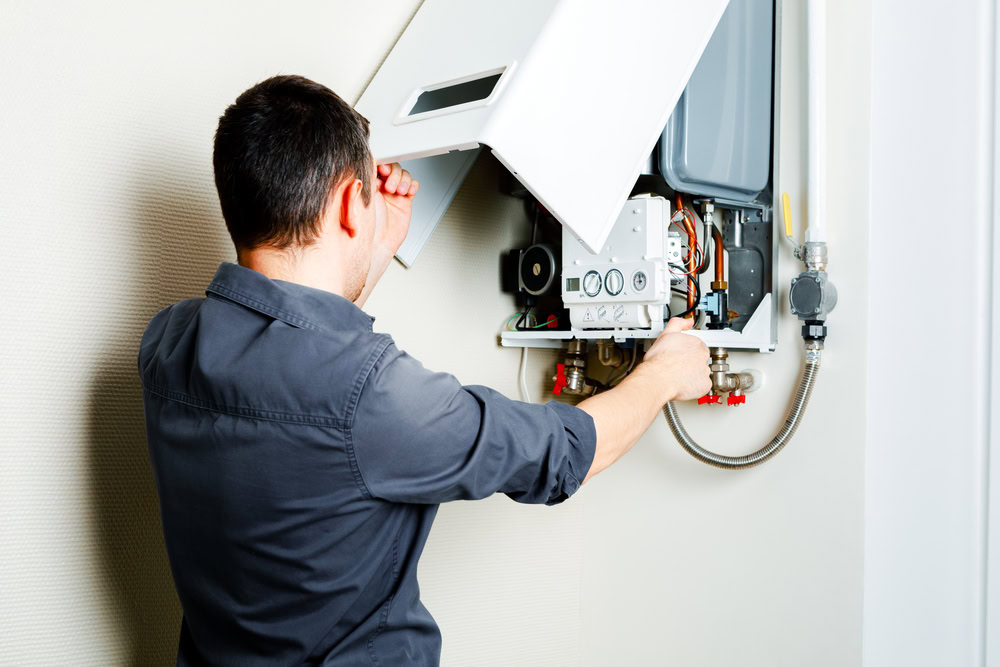
If you have a dual-season system — meaning you’re running AC in summer and heat in winter — a fall maintenance visit for your heating system is the second annual appointment worth scheduling. Some homeowners in Queens County with older boilers or furnaces skip this entirely, then end up calling for emergency service in January. Pre-season maintenance on both sides of the year is the straightforward way to avoid that.
For most Queens County homes, one professional AC tune-up per year in the spring, combined with regular filter changes throughout the season, is the right baseline. Homes with older systems, heavy usage, or known issues may benefit from a mid-season check as well.
DIY AC Maintenance vs. What Needs a Licensed Technician in Queens County
There are things you can and should do yourself between professional visits. Changing your air filter regularly — every one to three months depending on usage and household conditions — is the single most impactful thing a homeowner can do to maintain airflow and system efficiency. Keeping the area around your outdoor condenser unit clear of debris, leaves, and overgrowth is another easy one.
Beyond that, the work gets technical fast. Refrigerant handling requires EPA Section 608 certification — it’s a federal requirement, not a suggestion. Electrical testing, capacitor checks, and coil cleaning require proper equipment and training. Attempting these without the right background doesn’t just risk damaging the system; it can void your warranty and create safety hazards.

What Homeowners Can Do Between Professional Tune Ups
The filter is the most important thing in your control. A clogged or dirty filter restricts airflow, forces the system to work harder, and contributes to wear on the blower motor and other components. In Queens County, where summer air quality can be rough and older homes tend to accumulate more dust and particulate, filters can clog faster than the packaging suggests. Check yours monthly during peak cooling season and replace it when it looks dirty — don’t wait for a set schedule if conditions in your home call for more frequent changes.
The outdoor condenser unit deserves attention too. It needs clear space around it — at least two feet on all sides — to release heat effectively. Grass, weeds, shrubs, and debris that crowd the unit force it to work harder and can restrict airflow enough to affect system performance. A gentle rinse with a garden hose (with the power off) can remove surface dust and debris from the fins, but avoid high-pressure washing, which can bend the fins and cause damage.
Inside the home, keep supply and return vents clear of furniture and obstructions. Blocked vents create pressure imbalances that make the system work harder and can cause uneven cooling — something a lot of Queens County homeowners notice but don’t connect to vent placement. If certain rooms in your home are consistently warmer than others, check the vents before assuming the system itself is the problem.
These tasks are genuinely useful. But they’re maintenance between tune-ups, not a replacement for one. A homeowner with a clean filter and clear vents can still have a failing capacitor, low refrigerant, or a dirty evaporator coil that’s quietly costing them money and shortening the system’s lifespan. Our professional inspection catches what the homeowner can’t see.
Why Licensed HVAC Technicians Are Non-Negotiable for Queens County AC Service
New York State requires HVAC contractors to be licensed, and in New York City — which includes all of Queens County — there are additional licensing and permitting requirements at the city level. This isn’t bureaucratic fine print. It’s a meaningful standard that separates qualified technicians from people with a set of tools and a service van.
A licensed technician has demonstrated competency, carries appropriate insurance, and is accountable to a regulatory framework. When they handle refrigerants, they’re EPA-certified to do so legally. When they make electrical connections or test components, they know what safe operating parameters look like and what doesn’t. That matters when the alternative is an unlicensed operator whose work could void your warranty, create liability issues with your homeowner’s insurance, or simply leave you with a system that fails three weeks later.
The skepticism a lot of Queens County homeowners have about tune-up offers is understandable. There are companies that use low-price tune-up specials as a foot in the door for high-pressure upsell calls. The way to protect yourself isn’t to avoid tune-ups — it’s to choose a licensed, established provider who will give you a written report of what was found and a clear, upfront price before any work begins. Ask what the tune-up includes. Ask for documentation of the measurements taken. A technician who can’t answer those questions clearly is a red flag regardless of what they’re charging.
We’ve been serving Queens County and the surrounding area for over 30 years, operating out of Bayside. We know the housing stock here — from pre-war attached homes in Woodside to newer construction in Long Island City to the cape cods and semi-detached houses that make up most of eastern Queens County. The systems we service reflect that range, and the work we do is documented, licensed, and backed by upfront pricing with no hidden fees.
Ready to Schedule Your AC Tune Up Before Queens County Summer Hits?
The five benefits covered here — lower energy bills, early problem detection, extended system lifespan, better air quality, and protected warranty coverage — don’t happen automatically. They happen because someone scheduled the appointment before the season started, not after the system quit.
Queens County summers are hard on AC equipment. The heat, the humidity, the urban heat island effect — your system is working in one of the more demanding environments in the Northeast. Annual maintenance is how you stay ahead of it instead of scrambling when it fails.
If your system hasn’t been serviced yet this year, or if it’s been a while and you’re not sure what shape it’s in, it’s worth making the call. We serve Queens County and the surrounding area — reach us directly at 718-428-6987.