Summary:
Immediate Steps When Your Boiler Stops Working
The moment you realize your boiler isn’t working, your first priority is safety, not getting the heat back on immediately. Start with these essential checks before you do anything else.
Check your thermostat settings and make sure the system is actually calling for heat. Sometimes the solution is simpler than you think. Look at your boiler’s power switch and circuit breaker to ensure electricity is reaching the unit.
If these basics check out and you still have no heat, it’s time to move to more specific diagnostics while keeping safety as your top concern.

Safety Checks You Must Do First
Before you start troubleshooting, you need to make sure your family is safe. Gas leaks and carbon monoxide are serious risks with malfunctioning boilers, especially in Queens’ older buildings where systems may not have been updated in years.
If you smell gas anywhere near your boiler, don’t touch any switches or create sparks. Leave the area immediately and call your gas company’s emergency line. Don’t assume it’s a minor issue that can wait.
Look for obvious water leaks around the unit. Pooling water might seem harmless, but it can indicate serious internal problems or create electrical hazards. Check that your carbon monoxide detector is working if you have a gas boiler—this isn’t optional safety equipment.
Pay attention to unusual sounds. While some noise is normal, loud banging, hissing, or grinding sounds often signal problems that need immediate professional attention. These aren’t sounds you should try to diagnose yourself.
Yellow flames instead of blue flames on gas boilers indicate combustion problems that require immediate professional service. Don’t attempt to adjust anything yourself—this is dangerous territory that requires trained technicians.
What You Can Safely Check Yourself
Once you’ve confirmed there are no immediate safety hazards, there are a few basic checks you can perform that might restore your heat without needing emergency service.
Start with your thermostat. Make sure it’s set to heat mode and the temperature is set higher than the current room temperature. Check if the batteries need replacement—dead thermostat batteries are surprisingly common causes of heating failures.
Look at your boiler’s pilot light if you have an older system. If it’s out, you might be able to relight it following the manufacturer’s instructions usually found on a label near the unit. However, if you’re not completely comfortable with this process, don’t attempt it.
Check your boiler’s water pressure gauge. Most systems should read between 12-15 PSI when cold. If the pressure is too low, your system won’t operate properly. Some boilers have a filling loop that allows you to add water, but only do this if you’re familiar with the process.
Ensure that all vents and air intakes around your boiler area are clear of debris, storage items, or anything else that might block airflow. Your boiler needs proper ventilation to operate safely and efficiently.
Look for any obvious loose connections or switches that might have been accidentally turned off. Sometimes heating problems have simple solutions that don’t require emergency service calls.
When to Call Emergency Boiler Repair Professionals
Some boiler problems are clearly beyond DIY fixes and require immediate professional attention. Knowing when to stop troubleshooting and call for emergency repair can prevent dangerous situations and more expensive damage.
Any situation involving gas leaks, unusual odors, or carbon monoxide detector alarms requires immediate professional response. These aren’t problems that improve with time or basic adjustments.
If your basic safety checks revealed problems or your simple troubleshooting didn’t restore heat, it’s time to call qualified technicians who have the proper tools and training to diagnose and fix the real issues.
Signs That Require Immediate Professional Help
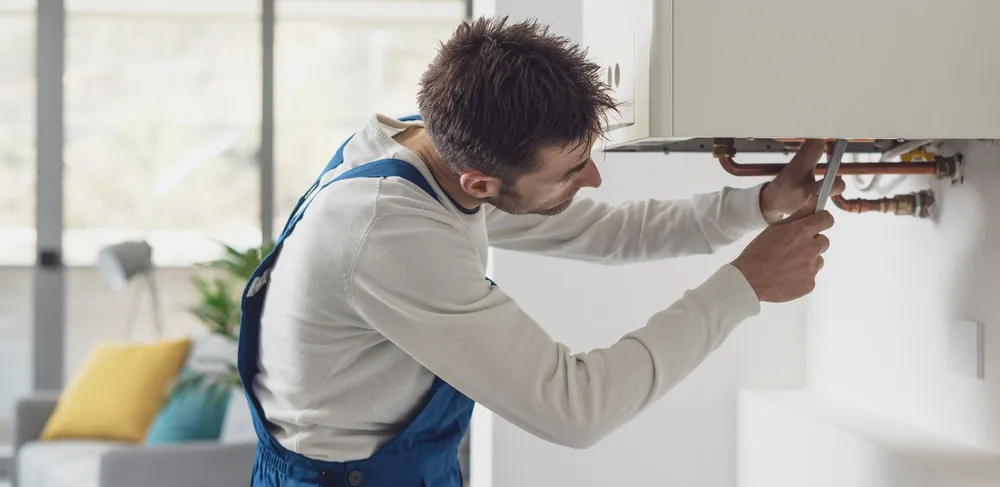
Certain symptoms indicate serious problems that need professional emergency boiler repair, not DIY troubleshooting. Recognizing these signs can prevent dangerous situations and avoid making problems worse through well-intentioned but misguided attempts at self-repair.
Complete loss of heat during freezing weather is an emergency, especially if you have elderly residents, young children, or anyone with health conditions that make them vulnerable to cold temperatures. Don’t wait to see if the problem resolves itself.
Water leaks around your boiler, particularly if they’re getting worse or affecting electrical components, need immediate attention. What starts as a small drip can quickly become major water damage or create electrical hazards.
Strange noises that you haven’t heard before—loud banging, continuous hissing, or grinding sounds—often indicate internal component failures that require professional diagnosis and repair. These sounds usually get worse, not better, and can signal expensive damage if ignored.
Pilot light problems that you can’t resolve with basic relighting procedures, especially if the pilot won’t stay lit or burns with unusual colors, indicate issues with gas supply, ventilation, or safety controls that require trained technicians.
Pressure problems that don’t respond to basic adjustments, whether too high or too low, can indicate serious internal issues with your boiler system. Incorrect pressure can damage components and create safety hazards.
How to Choose Emergency Boiler Repair Service in Queens
When you need emergency boiler repair in Queens, you don’t have time to research every available contractor. However, you still need to make smart choices to avoid getting taken advantage of during a stressful situation.
Look for companies that provide upfront pricing before starting work. Legitimate emergency repair services will diagnose the problem and give you a clear estimate before performing repairs. Be wary of anyone who starts working immediately without explaining what they’re doing and what it will cost.
Choose contractors who are licensed and insured for boiler work in New York. This isn’t just paperwork—it means they have the training and legal authorization to work on your heating system safely and according to local codes.
Ask about warranties on emergency repairs. Reputable companies stand behind their work, even on emergency calls. A company that won’t warranty emergency repairs is probably not one you want working on your critical heating system.
Consider response time, but don’t sacrifice quality for speed. A company that can respond quickly but does poor work will leave you with the same emergency again soon. Look for services that balance fast response with proven expertise.
Check if they carry common boiler parts on their service vehicles. Companies that stock frequently needed parts can often complete repairs the same day, rather than leaving you without heat while waiting for parts to arrive.
Verify they have experience with your type of boiler system. Queens has many different boiler types—gas, oil, steam, and hot water systems—and not all contractors are equally experienced with every type.
Stay Safe and Warm During Boiler Emergencies
Boiler emergencies are stressful, but following the right steps keeps your family safe and gets your heat restored as quickly as possible. Remember that safety always comes first—no amount of cold is worth risking gas leaks or carbon monoxide exposure.
Know your limits when it comes to DIY troubleshooting. Simple checks like thermostats and circuit breakers are fine, but anything involving gas lines, electrical connections, or internal boiler components requires professional expertise.
When you need emergency boiler repair in Queens, choose experienced professionals who provide transparent pricing and stand behind their work. We’ve been helping Queens residents through heating emergencies for over three decades, with the expertise and parts inventory to resolve most problems the same day.