Summary:
How Modern Boiler Systems Work with Historic Home Heating
The heating systems in older homes weren’t designed around the same principles as modern forced-air setups. Your home likely uses hydronic heating, where a boiler heats water and sends it through pipes to radiators throughout the house. That system has real advantages: no ductwork taking up space, no air blowing dust around, and heat that feels different than what you get from vents.
Modern boilers respect that approach while dramatically improving how it performs. Today’s condensing boilers can reach efficiency levels up to 98%, compared to the 60-70% you might be getting from a system that’s 20 or 30 years old. They do this by capturing heat that older boilers just send up the chimney. The result is the same warm, comfortable heat you’re used to, but with significantly lower fuel consumption.
The key is that these upgrades integrate with what you already have. Your radiators can stay. Your pipes can stay. What changes is the efficiency of the heat source and how precisely you can control it.
Why Hydronic Heating Still Makes Sense in Older Homes
There’s a reason your home was built with radiators instead of ductwork. In houses constructed before the 1960s, adding the kind of bulky ductwork that modern forced-air systems require often means lowering ceilings, building bulkheads, or making other changes that alter the character of the space. Hydronic systems avoid all of that.
Radiators provide steady, even heat that doesn’t rely on air circulation. That matters in older homes where room layouts, high ceilings, and original windows create different heating challenges than you’d find in newer construction. The heat radiates outward and rises naturally, warming the space without the temperature swings you sometimes get from systems that cycle on and off more frequently.
Modern boiler technology makes these systems even better. New condensing boilers extract more heat from the same amount of fuel by using a secondary heat exchanger that captures energy from exhaust gases. This process allows the boiler to operate at much higher efficiency levels than what was possible even 15 years ago. For homeowners in Nassau County and Queens dealing with cold winters and high energy costs, that efficiency difference shows up directly in monthly utility bills.
The other advantage is control. Older boiler systems typically heated the entire house at once, with limited ability to adjust temperatures in different areas. Modern upgrades can add zone controls that let you manage heating by floor or by room, all while keeping your existing radiators in place. You get the benefits of contemporary climate control without the invasive installation work that other systems would require.
When you’re weighing options for your older home, hydronic heating isn’t just about preserving what’s there. It’s often the most practical path to better performance without major structural changes. The systems are proven, the technology is refined, and the results are measurable. Your home stays true to its design while gaining the efficiency and reliability that modern equipment provides.
What Makes 2026 Boiler Technology Different from Older Systems
The gap between a boiler installed in the 1990s or early 2000s and what’s available in 2026 is substantial. It’s not just about minor improvements. The core technology has evolved in ways that change how efficiently these systems operate and how reliably they perform over time.
Older boilers were built around simpler combustion processes. They heated water, sent it through your radiators, and vented the exhaust. A significant amount of heat went straight out the flue. Systems from that era typically operated at 70-80% efficiency, meaning 20-30% of the fuel you paid for was wasted. That inefficiency compounds over the course of a heating season, especially during the coldest months when your boiler runs most often.
Modern condensing boilers capture that wasted heat. They use a secondary heat exchanger to extract energy from exhaust gases before they leave the system. This process condenses water vapor in the exhaust, which releases additional heat that gets transferred back into your home’s heating system. The result is efficiency ratings that routinely reach 90-95%, with some high-end models pushing even higher. That difference directly translates to lower fuel costs and reduced environmental impact.
Control systems have also improved dramatically. Older boilers operated on relatively simple on-off cycles controlled by a basic thermostat. Modern systems use modulating burners that adjust flame intensity based on real-time heating demand. Instead of running at full capacity until the thermostat is satisfied and then shutting off completely, these boilers can operate at partial capacity to maintain consistent temperatures more efficiently. The system runs more steadily, uses less fuel, and delivers more even heat throughout your home.
Safety features are another area where current technology makes a real difference. Today’s boilers include multiple redundant safety controls, sealed combustion systems that draw air from outside rather than from your living space, and advanced monitoring that can detect problems before they become serious. These features reduce the risk of carbon monoxide issues and other safety concerns that can develop in aging equipment.
The materials and construction methods have improved as well. Modern boilers are built with better heat exchangers, more durable components, and designs that make maintenance more straightforward. Parts are standardized and readily available, which matters when you need service. Older systems, particularly those that are 20 or 30 years old, increasingly face parts availability issues that can extend repair times and increase costs.
Smart controls represent another significant advancement. Many current boiler systems integrate with programmable thermostats and home automation platforms, giving you the ability to adjust settings remotely, track energy usage, and receive alerts if the system detects an issue. This level of control wasn’t available with older equipment, and it makes a practical difference in how efficiently you can manage your home’s heating.
For homeowners in Nassau County and Queens with older properties, these technological improvements mean you can maintain your home’s original heating approach while gaining performance that matches or exceeds what newer homes achieve with forced-air systems. The upgrade path is clear, the benefits are measurable, and the installation process is less disruptive than alternatives that would require extensive ductwork or other structural modifications.
Energy-Efficient Boiler Upgrades That Actually Lower Your Bills
Efficiency ratings matter because they directly affect what you pay to heat your home. When you’re looking at boiler upgrades, the AFUE rating tells you how much of the fuel gets converted to heat versus how much goes up the chimney. A boiler with a 95% AFUE rating converts 95% of its fuel into usable heat, wasting only 5%.
Compare that to an older system running at 70% efficiency, and you’re looking at 25% more fuel consumption for the same amount of heat. Over a heating season in Nassau County or Queens, that difference adds up quickly. Homeowners consistently report heating cost reductions of 25-40% after upgrading from older boilers to modern high-efficiency models.
The math is straightforward, but the real-world impact depends on proper sizing, correct installation, and integration with your existing radiator system. That’s where professional assessment makes a difference.
How Condensing Boilers Extract More Heat from Less Fuel
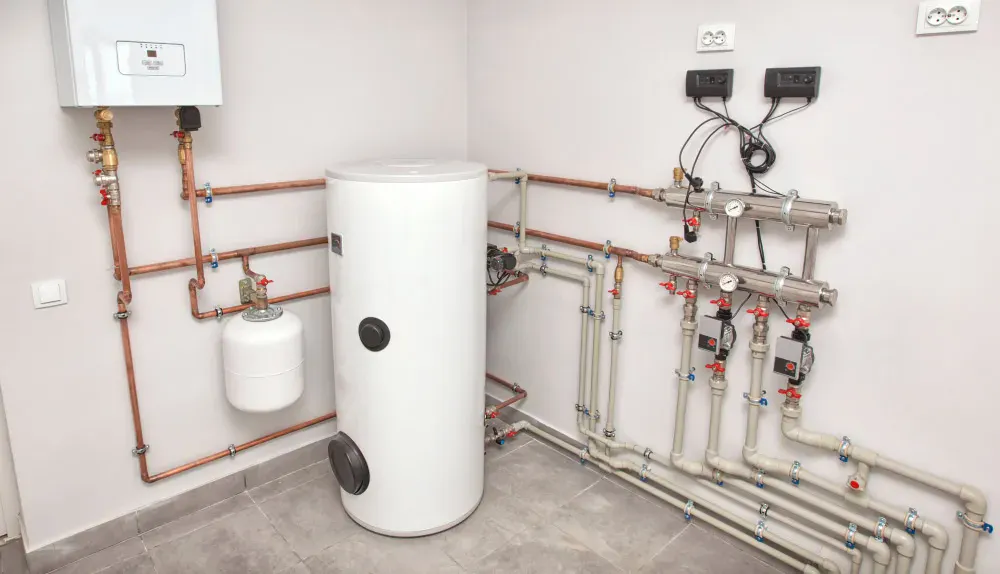
The efficiency advantage of condensing boilers comes from capturing heat that conventional boilers waste. In a standard boiler, combustion produces hot exhaust gases that exit through the flue. Those gases contain significant amounts of energy, but in older systems, that energy simply vents to the outside.
Condensing boilers add a secondary heat exchanger specifically designed to extract heat from those exhaust gases. As the gases pass through this exchanger, they cool down enough that water vapor in the exhaust condenses back into liquid form. This condensation process releases additional heat, which gets transferred into the water circulating through your heating system. The cooler exhaust gases then exit the system, having given up most of their energy.
This process is why condensing boilers can achieve efficiency ratings of 90% or higher, while conventional boilers typically max out around 80-85%. The captured heat isn’t trivial. It represents a substantial portion of the energy that older systems waste, and recovering it means you need less fuel to maintain the same level of comfort in your home.
The condensation process does produce water that needs to drain away, which is why condensing boilers require a drain line. This is a minor installation consideration, but it’s worth understanding. The system produces a small amount of acidic condensate that typically drains into a floor drain, sump, or outside. Proper drainage setup is part of correct installation.
For homeowners with existing hydronic heating systems, condensing boilers integrate directly with your current radiators and piping. The boiler itself operates differently internally, but from your perspective, the system works the same way. You adjust your thermostat, the boiler heats water, and that water circulates through your radiators to warm your home. The difference is that you’re using significantly less fuel to achieve the same results.
The efficiency gains are most noticeable during the coldest parts of the heating season, when your boiler runs most frequently. That’s when the fuel savings compound most quickly. Over the course of a typical New York winter, the difference between a 70% efficient boiler and a 95% efficient model can amount to hundreds or even thousands of dollars in fuel costs, depending on your home’s size and heating demands.
Modern condensing boilers also tend to modulate their output more effectively than older equipment. Instead of running at full capacity until the thermostat is satisfied, they can adjust their firing rate to match current heating needs. This modulation reduces the cycling frequency, which improves efficiency further and provides more consistent temperatures throughout your home.
Real Costs and Savings: What to Expect from a Boiler Upgrade
Understanding the financial picture of a boiler upgrade requires looking at both the upfront investment and the ongoing savings. Boiler replacement costs typically range from $4,000 to $10,000 installed, depending on the system size, fuel type, and complexity of the installation. For homes in Nassau County and Queens with existing hydronic systems, costs usually fall in the middle of that range when you’re replacing a similar boiler type.
The higher end of the cost range typically involves situations where additional work is needed: upgrading old piping, adding zone controls, or making changes to accommodate new venting requirements. Condensing boilers vent differently than conventional boilers, and depending on your home’s current setup, that might require some modifications. A proper assessment before installation helps identify these factors so you know what to expect.
On the savings side, the numbers are more predictable. If you’re currently spending $2,400 to $3,200 annually on heating fuel with an older boiler, upgrading to a high-efficiency system can reduce those costs by 25-40%. That translates to annual savings of $600 to $1,280 or more, depending on fuel prices and how much your current system is underperforming.
Maintenance costs also decrease with newer equipment. Older boilers, particularly those over 15 years old, typically require $800 to $1,200 in annual maintenance and repairs. Modern boilers generally need only routine annual service costing $200 to $350. That difference in ongoing costs adds to the financial benefit of upgrading.
Property value considerations matter as well. A new, high-efficiency boiler installation typically adds $8,000 to $20,000 to your home’s value. Buyers in the Nassau County and Queens markets expect reliable, efficient heating systems, and a recent boiler upgrade removes a major concern from their purchasing decision. It’s a selling point that real estate professionals consistently identify as valuable.
Federal tax credits and utility rebates can offset some of the upfront costs. High-efficiency boilers often qualify for federal tax credits worth up to 30% of the installation cost, with specific caps depending on the equipment type. PSEG Long Island and other local utilities offer additional rebates for qualifying high-efficiency equipment. These incentives change periodically, so checking current programs before you commit to an installation helps maximize your savings.
The payback period for a boiler upgrade typically runs 5 to 10 years when you factor in fuel savings, reduced maintenance costs, and available incentives. For homeowners planning to stay in their homes long-term, that payback timeline makes the upgrade financially sound. Even if you’re considering selling within a few years, the property value increase and the appeal to buyers often justify the investment.
One factor that’s harder to quantify but still important is reliability. Older boilers break down more frequently, and those breakdowns tend to happen during the coldest weather when you need heat most urgently. Emergency repairs during peak season cost 40-60% more than scheduled maintenance, and the inconvenience of being without heat during a cold snap has its own cost. Newer equipment simply runs more reliably, which means fewer disruptions and less stress during the heating season.
Making the Right Heating Decision for Your Older Home
Your home’s heating system affects your comfort, your utility bills, and your peace of mind every winter. When you’re dealing with an older boiler in a historic Nassau County or Queens home, you have more options than you might think. Modern technology works with your existing radiator system, not against it. You can upgrade efficiency, improve reliability, and reduce costs without compromising the character of your home.
The key is understanding what your specific situation requires. Not every home needs the same solution, and the right approach depends on your current system’s condition, your home’s layout, and your priorities for comfort and efficiency. Professional assessment identifies the best path forward and helps you avoid unnecessary work or equipment that doesn’t match your needs.
When you’re ready to explore what modern boiler solutions can do for your older home, we provide the expertise and service that Nassau County and Queens homeowners rely on for heating system upgrades and repairs.