Summary:
How Freezing Temperatures Cause Boiler Failures
Cold weather doesn’t just make your boiler work harder. It creates specific mechanical problems that can shut your system down completely. When temperatures drop near or below freezing, the condensate pipe that carries wastewater away from your boiler can freeze solid, blocking the flow and triggering an automatic safety shutdown.
The coldest months bring the highest failure rates. January leads with over 15% of annual boiler breakdowns, followed closely by December. That’s not random timing – it’s your system responding to sustained cold that pushes components beyond their limits.
Nassau County’s coastal location adds another layer of challenge. Rapid temperature swings and salt air accelerate corrosion on metal parts, while the hard water common in this area speeds up mineral buildup inside your heat exchanger. These local factors mean your boiler faces more stress than systems in milder climates.
Why Condensate Pipes Freeze and Shut Down Your Heat
Modern condensing boilers produce acidic wastewater that exits through a condensate pipe, usually a white plastic pipe running outside your home. This design works fine most of the year, but when temperatures stay below freezing for extended periods, that slow-moving water can freeze inside the pipe. Once frozen, the blockage prevents your boiler from operating, and the system shuts down as a safety measure.
You’ll know this is happening if your boiler makes gurgling sounds before shutting off, or if you see an error code on the display. The pipe itself might feel cold to the touch or show visible ice buildup at bends or exposed sections.
The fix involves carefully thawing the frozen section with warm water – never boiling, which can crack the pipe. Pour warm water over the frozen area slowly, or wrap it with a hot water bottle. Once thawed, your boiler should restart. But this is a temporary solution.
The real answer is prevention. Insulating exposed condensate pipes with foam lagging protects them from future freezes. If your pipe runs outside and freezes repeatedly, having it rerouted inside by a technician eliminates the problem entirely. Some homeowners also keep their heating on low overnight during extreme cold to keep the condensate flowing and prevent freezing.
What Happens When Boiler Pressure Drops in Cold Weather
Low pressure is one of the most common winter boiler problems, and cold weather makes it worse. When your boiler’s pressure gauge drops into the red zone – typically below 1 bar – your system won’t heat properly or may not fire up at all. During cold snaps, boilers work harder and longer, putting internal parts under increased stress that can cause pressure to drop faster than normal.
Several things cause pressure loss in winter. Small leaks in pipes or radiator valves that you barely noticed in October become obvious when your system runs constantly in January. Frozen pipes can also restrict water flow, creating pressure issues throughout your heating system. And when boilers cycle more frequently to keep up with heating demand, the expansion and contraction of components can reveal weak points that leak.
You’ll notice pressure problems when radiators don’t heat evenly, when some rooms stay cold while others are warm, or when you see the pressure gauge sitting below the green zone. Your boiler might also display an error code related to low pressure, or it might fire briefly then shut down.
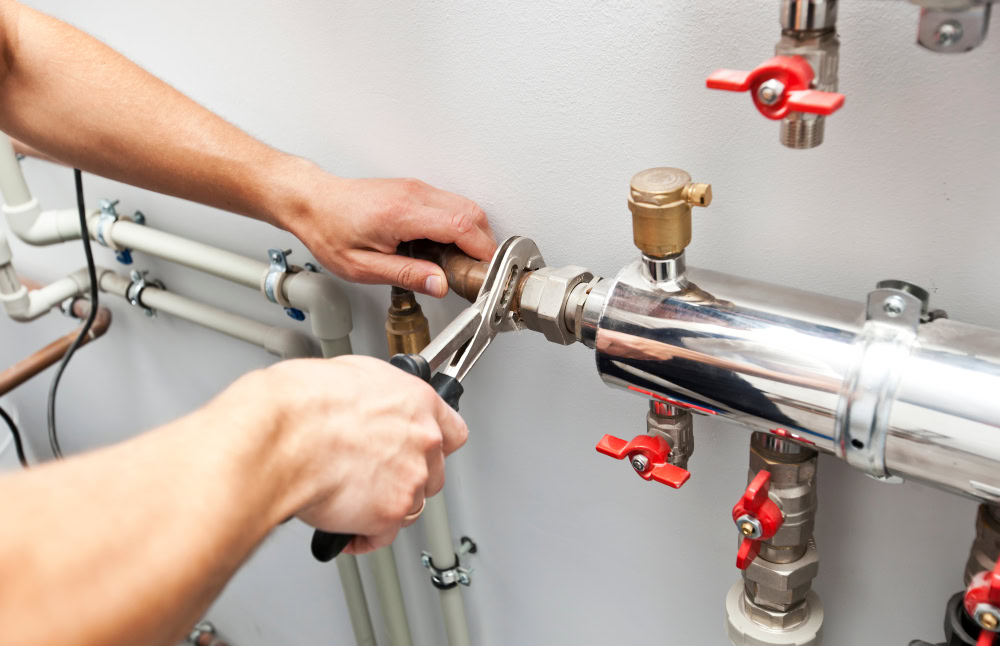
Topping up your boiler pressure is straightforward if you know your system. Most boilers have a filling loop – usually a braided metal hose with valves at each end. You open both valves slowly while watching the pressure gauge, letting water into the system until the needle reaches between 1 and 1.5 bar when cold. Then you close both valves completely.
But here’s what matters more: if you’re constantly topping up pressure, you have a leak somewhere. That leak might be obvious – a puddle under a radiator or visible dripping from pipes. Or it might be hidden behind walls or under floors. Either way, repeatedly adding pressure without fixing the leak means you’re fighting a losing battle. A technician can pressure-test your system to locate hidden leaks before they cause bigger problems.
Why Increased Runtime Wears Out Boiler Components
Your boiler doesn’t run the same way in winter as it does in spring. When outdoor temperatures stay below freezing for days, your heating system operates almost continuously, cycling on and off far more frequently to maintain indoor comfort. This constant operation accelerates wear on every moving part, from pumps and valves to igniters and controls.
Think of it like driving your car in stop-and-go traffic versus highway cruising. The frequent starts and stops create more strain than steady operation. Your boiler experiences the same effect during prolonged cold spells, and parts that might last years under normal conditions can fail in a single harsh winter.
The components that fail most often are the ones working hardest. Pumps that circulate hot water through your system can overheat or develop blockages. Diverter valves that switch between heating and hot water can stick in one position. Igniters and pilot lights that fire dozens of times per day can wear out or malfunction.
How Aging Components Fail Under Winter Stress
A boiler that’s 10 or 15 years old might work fine in mild weather, then struggle when temperatures drop. That’s because aging components have less tolerance for stress. Seals and gaskets become brittle over time, especially when exposed to repeated heating and cooling cycles. When winter forces your system into constant operation, those worn parts finally give out.
Heat exchangers are particularly vulnerable. They transfer heat from the burner to the water, and over years of service, mineral deposits build up on the metal surfaces. This buildup – called scale or kettling – makes the exchanger work harder and less efficiently. In winter, when your boiler runs constantly, that stressed heat exchanger can develop cracks or leaks. You’ll hear it before you see it: a whistling or rumbling sound like a kettle boiling, especially during the heating cycle.
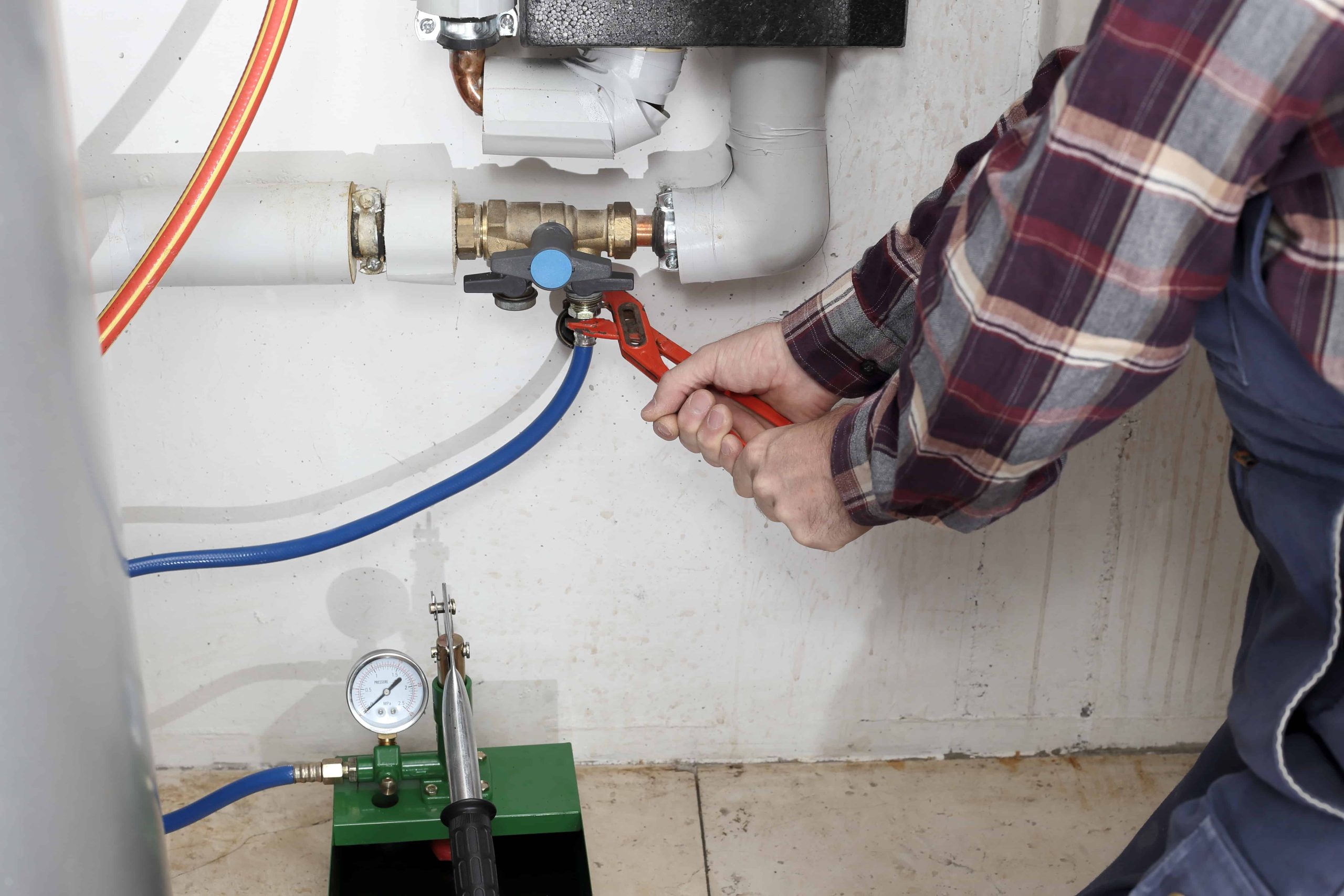
Pumps and circulators show their age in winter too. These components move hot water through your pipes and radiators, and they run almost nonstop during cold weather. Older pumps develop worn bearings that create grinding or humming noises. They might struggle to push water through the system, leaving some radiators cold while others stay hot. Eventually, a worn pump stops working entirely, and your heat stops with it.
Control boards and thermostats also fail under sustained winter use. These electronic components manage when and how your boiler fires, and constant cycling can cause them to malfunction. You might notice your boiler short-cycling – turning on and off every few minutes – or failing to respond when you adjust the thermostat. These aren’t always obvious failures. Sometimes a dying control board creates intermittent problems that seem to fix themselves, only to fail completely on the coldest night of the year.
The truth about aging boilers is this: they don’t usually fail all at once. They give you warnings. Rising energy bills despite the same heating habits. Longer times to reach comfortable temperatures. Small leaks that appear then seem to stop. Strange noises that come and go. These signs tell you that components are struggling, and winter’s increased demand will likely push them over the edge.
Why Preventative Boiler Repair Beats Emergency Service
Scheduling boiler service before winter saves you from emergency repairs when it’s 20 degrees outside and your family needs heat. A pre-season inspection catches the warning signs that lead to breakdowns – worn parts, pressure issues, minor leaks, and efficiency problems that will get worse under winter’s constant demand.
Here’s what makes preventative service different from emergency repair. When you schedule service in fall, our technicians have time to inspect your entire system thoroughly. We can test combustion efficiency, check for carbon monoxide, examine all connections for leaks, and replace parts that show wear before they fail. You get to choose when the work happens, and you’re not paying emergency rates or waiting days for parts while your house stays cold.
Emergency repairs, on the other hand, happen when your system has already failed. You’re calling for help in the middle of a cold snap when every heating company in Nassau County is swamped with emergency calls. You might wait hours or even days for service. The technician is focused on getting your heat back on quickly, not on comprehensive system evaluation. And you’re paying premium rates for emergency service, often 50% or more above standard pricing.
The cost difference adds up fast. A typical pre-season boiler inspection and tune-up runs $150 to $300 and includes cleaning, testing, and minor adjustments. An emergency repair call starts at $200 to $400 just for the service visit, before any parts or labor. If your breakdown requires a major component like a pump, heat exchanger, or control board, you’re looking at $500 to $1,500 or more – and that’s if parts are available immediately.
Beyond cost, there’s the disruption factor. A planned service appointment happens at your convenience, usually within a few days of calling. An emergency breakdown means your family is without heat, possibly overnight, while you wait for service. If you have young children, elderly family members, or health conditions, that’s not just inconvenient – it’s potentially dangerous. Frozen pipes can burst, causing thousands in water damage. Your home’s structure can suffer from sustained cold. And the stress of dealing with an emergency in the middle of winter takes its toll.
Smart homeowners schedule boiler service in September or October, before heating season starts. That timing gives you the best chance of catching problems early, getting parts if needed, and entering winter with confidence that your system is ready for whatever temperatures Nassau County throws at it.
Protecting Your Home from Winter Heating Failures
Boiler breakdowns during winter aren’t random bad luck. They’re predictable responses to freezing temperatures, constant operation, and the accumulated wear on aging components. When you understand what causes these failures, you can spot the warning signs early – strange noises, pressure drops, longer heating times, rising energy bills – and take action before you lose heat completely.
The coldest days of winter will test your boiler’s limits. Systems that seemed fine in October can struggle in January when temperatures stay below freezing for days. Frozen condensate pipes, low pressure, worn pumps, and stressed heat exchangers all become more likely as your boiler works harder to keep your Nassau County home comfortable.
Scheduling inspection and repair before deep freezes arrive gives you the best protection. You catch problems while they’re still minor, avoid emergency service calls when you need heat most, and enter winter knowing your system is ready. If you’re hearing unusual sounds, noticing uneven heating, or if your boiler is more than 10 years old, now is the time to have it checked. We’ve served Nassau County families for over three decades, and we understand exactly how Long Island winters stress heating systems.